For a long time, I thought everything would click once I landed my dream client.
The one with the budget, the taste, the kind of work you actually want to be known for. It felt like a milestone. If I could just get in there, it would mean I had made it.
And then I did. The client was great. They loved working with me. But that job made it obvious I wasn’t chasing the right thing.


When you’re a young ambitious designer, you build a mental ladder of goals.
At the top of that ladder are the brands you admire. The studios whose work you Pin. The teams you hope to join one day.
For me, that was Google.
Some of my favorite designers worked there. The projects were visible. The brand was iconic. The work was global.
Working at Google felt like arriving.
And when I finally got there, I realized something I didn’t expect.
It wasn’t the type of work I actually enjoyed.
Large organizations are impressive for a reason.
They have structure. Resources. Smart people. Clear brand systems. Discerning creatives at every level.
That scale protects the brand. But it also changes the nature of the work.
In an organization that large, ideas move through layers. Alignment becomes a process. Creativity becomes negotiation.
You’re not building something from scratch. You’re contributing to something established.
And when a brand is as established as Google, the boundaries are clear. The guidelines are tight. The voice is defined.
What I love most about motion design isn’t just animating beautifully inside brand systems.
It’s helping define the brand systems.
On large teams, you’re often responsible for a tiny piece of the whole.
One shot. One system component. A small section of a campaign.
On smaller teams, especially creator led ones, your influence is felt.
You help shape the pacing. The packaging. The visual language. The motion system that supports the entire brand.
Instead of fitting your style into someone else’s framework, you help build the framework itself.
And when a video performs well, when a campaign launches successfully, when ticket sales spike or sponsors renew, you can see the connection between your work and the outcome.
That kind of impact is addictive.
Let’s be honest. Places like Google pay well.
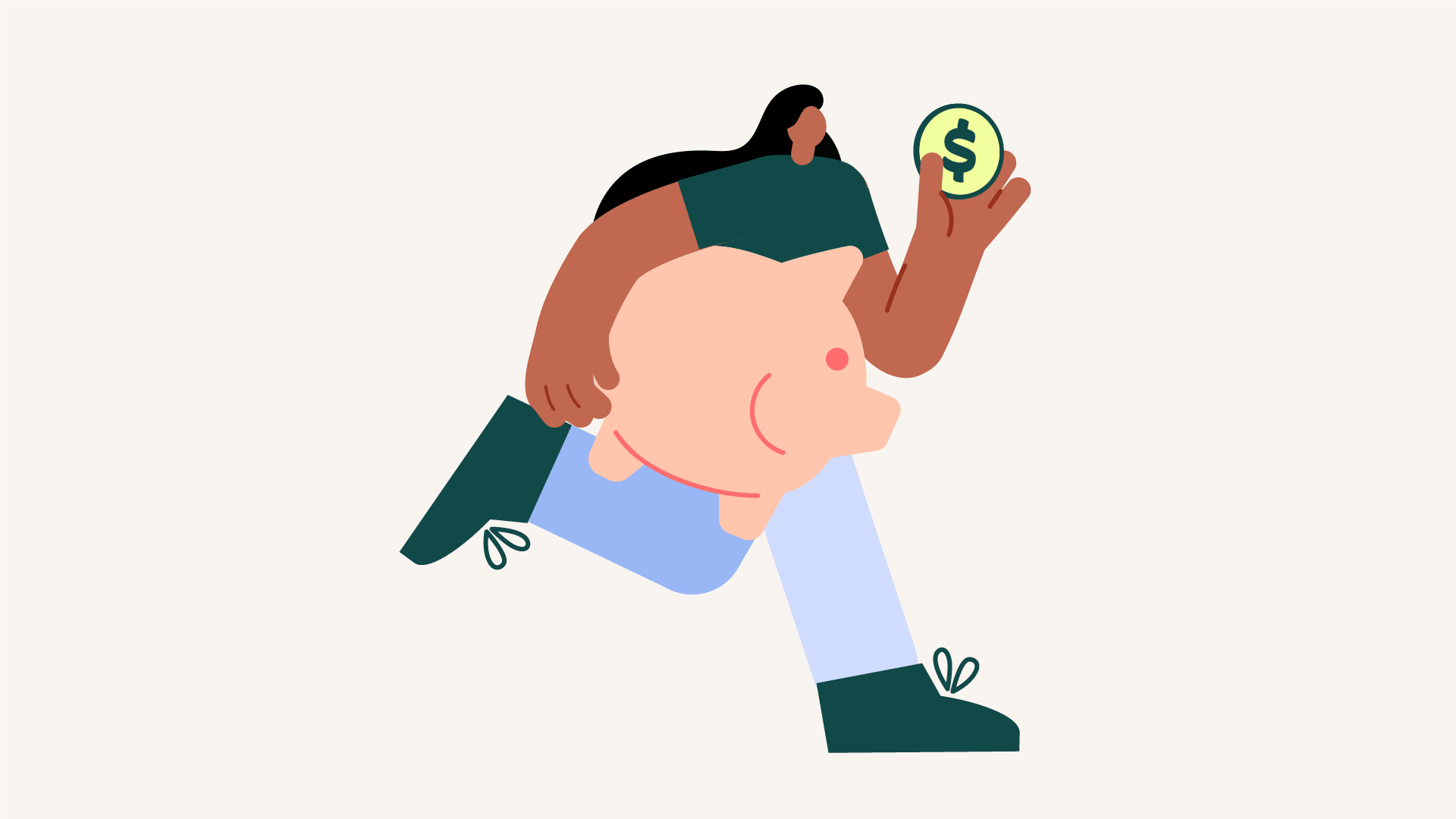
I could command $1200+ per day there. Overtime was generous. The company generates hundreds of millions in revenue per day. Your rate barely registers on the balance sheet.
In comparison, most studios operate closer to $900 per day for senior motion support. And they’re constantly balancing project budgets against payroll and profit margins.
So yes, the compensation at a massive brand is attractive.
But money alone doesn’t determine fulfillment.
There’s a tradeoff most creatives don’t talk about.
Prestige brings validation. It gives you a recognizable logo on your résumé and the confidence of having “made it” (whatever that means).
Autonomy brings ownership. It lets you shape the outcome, influence the direction, and see your fingerprints on the result.
As your career evolves, your priorities change. It stops being about proximity to big names and starts being about the depth of your impact.
For me, ownership mattered more than the logo.
Even at $1200 per day, you eventually feel the ceiling.
Day rates scale linearly. More days equals more income. Fewer days equal less.
You can only work so many days in a year.
You can only increase your rate so many times before the model stops moving.
And that’s when I realized I didn’t just want better projects.
I wanted a better business structure.
Two truths became clear to me:
Creator led brands move fast. When motion is embedded into their workflow, it doesn’t just make videos look better. It shapes retention, sponsorship value, ticket sales, and long term brand authority.
Watching my client's metrics move because of the systems I built is more fulfilling than slapping another prestigious logo on my Linkedin.
And building a subscription model allowed me to align with that.
Instead of selling isolated days, I could build ongoing motion infrastructure. Instead of being responsible for one shot, I could help define the entire visual system.
It gave me the autonomy I was missing.
And it broke the day rate ceiling in the process.
Working at Google didn’t make me unhappy because it was a bad place.
The team there is amazing. They only hire the best of the best.
But it made me realize what kind of creative I am.
Some designers thrive inside massive organizations.
Some thrive building systems inside smaller ones.
Prestige is impressive, but ownership is fulfilling.
I chose ownership.
And that choice shaped the model I run today.
It can feel like success at first, but it does not change how your work is structured. You are still operating within someone else’s timeline, priorities, and constraints, which can limit how much control you actually have.
Dream clients are often tied to validation. Working with the right brand or on the right project feels like proof that you have reached a certain level, even if it does not improve your day to day experience.
The work often improves and the budget is better, but the underlying model stays the same. You are still trading time for projects and depending on individual clients for income.
The problem is ownership. When your income depends on clients, you do not control demand, timing, or stability. That makes the business feel reactive even when the work itself is good.
Focus on building something you control. Systems, repeatable workflows, and consistent demand create more stability than chasing the next opportunity.

Motion Partner