Day rates are one of the most common ways motion designers price their work. They are also one of the least effective.
On paper a day rate sounds simple. The client pays for a day of work and the designer delivers whatever gets finished in that time. In practice this model creates confusion, unpredictable costs, and constant pressure on both sides of the project.
For many motion designers and content teams, the day rate model solves fewer problems than it creates.


Pricing motion design seems to be a headache no matter which option you choose.
I have worked in almost every way as a freelancer.
Hourly. Day rates. Project based.
Short bookings. Contracts. Permalance.
And I can tell you this with confidence…
The problem is not greedy freelancers. And it is not unreasonable producers.
It is that most pricing models were built for large scale commercial work.
Most content teams do not need one large, perfectly scoped animation.
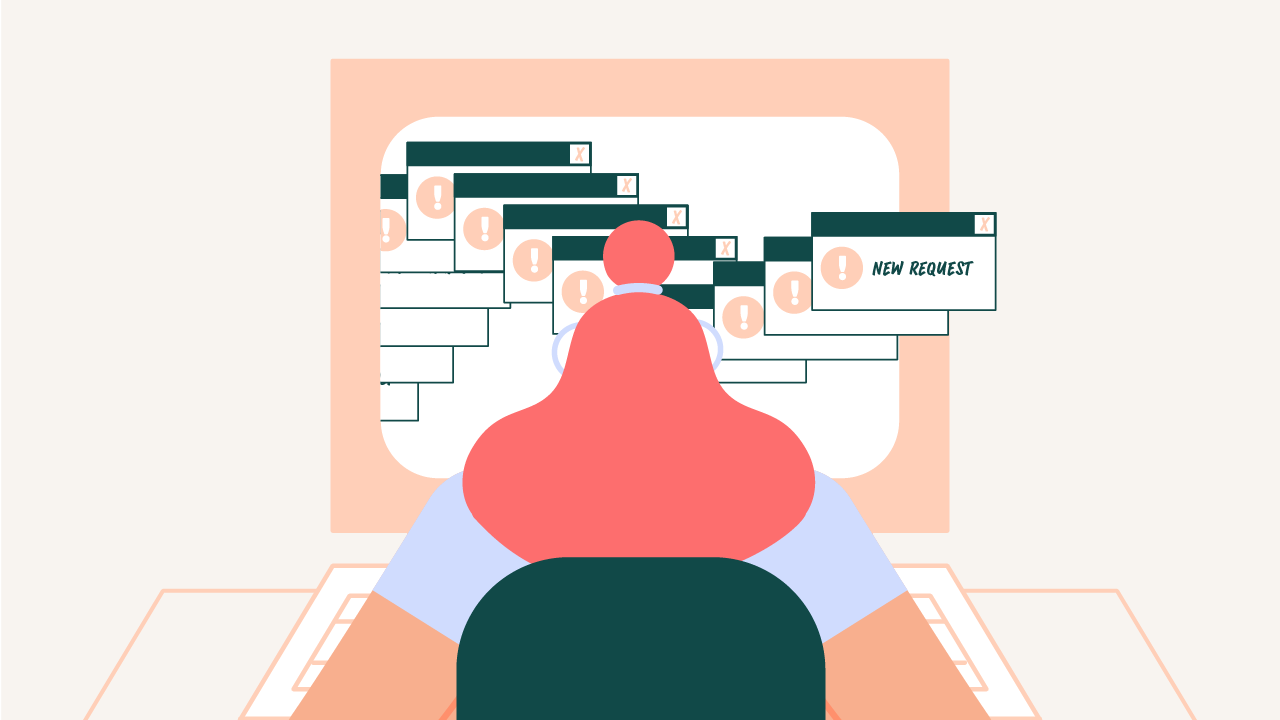
They need lots of small requests knocked out.
Titles. Captions. Social cutdowns. Updates. Tweaks.
This work is constant, but it is uneven.
Some weeks are quiet. Some weeks are chaos.
And very rarely does it land cleanly inside a single work day.
That reality immediately puts pressure on traditional pricing models.
This is not personal. It is math.
Freelancers need stability. And a three week booking is always going to win out over a one day request.
Even when the relationship is great. Even when the client is a favorite.
If you only have one day of work, or a handful of small tasks, you are competing with longer bookings that provide predictable income.
This is why availability feels impossible.
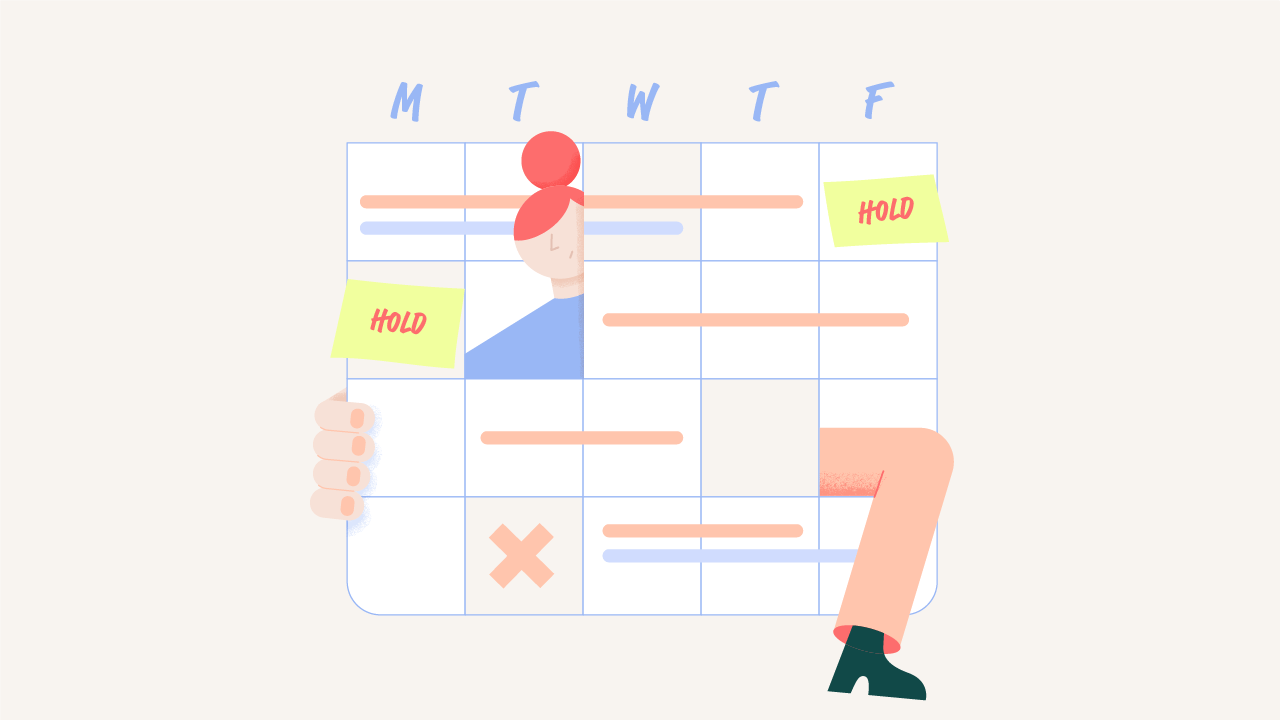
This is also why the hold system is such a mess. 🤦
Everyone is trying to protect themselves in a system that rewards longer commitments and punishes choice and flexibility.
On the surface, hourly pricing seems fair.
Pay for what you use. Simple enough.
But in practice, it breaks down fast for motion design.
The more experienced and efficient a motion designer becomes, the less they earn per task. Speed is punished. Efficiency is penalized.
There is no incentive to work quickly if doing so means making less money.
So what happens next is predictable:
Hours get padded. Timelines stretch. Trust erodes.
Not because people are dishonest, but because the model does not reward doing the job well.
Day rates assume that your needs will fill an entire day.
But most modern motion needs do not.
If you only need a few animated captions or a couple of title cards, you end up paying for time you are not fully using.
That makes teams pause. They wait. They batch work. They skip motion altogether.
From the freelancer side, partial days are rarely viable.
So both sides end up uncomfortable, even when the relationship is good.
Day rates break down because they were never designed for the kind of ongoing motion support content teams actually need.
Retainers solve one problem and create another.
They give freelancers stability and clients guaranteed access. That can be great when the workload is consistent.
But content work is rarely consistent.
When things slow down, teams are still paying. When things ramp up, retainers still limit capacity.
It becomes a long term commitment for work that naturally ebbs and flows.
For some teams, that tradeoff is worth it. For many, it is not.
There is another side to this that often gets ignored.
Time based pricing always comes with a ceiling.
There are only so many hours in a day. Only so many days in a year. Raising rates eventually comes with higher expectations, longer hours, and less flexibility.
At a certain point, more money starts to cost you autonomy. The golden handcuffs.
That is not a great trade for people who chose freelance work for freedom in the first place.
Each traditional model assumes something that modern content work does not provide.
Content work is none of those things.
It is ongoing, uneven, fast moving, and hard to forecast.
So every model feels a little wrong, because it is.
Design subscriptions did not appear because someone wanted to reinvent pricing.
They appeared because teams and freelancers needed a model that matched reality.
Ongoing access. Clear limits. Predictable cost. Less scheduling anxiety.
Subscriptions won’t work for every kind of motion need.
Superbowl ads will still need a large team on a traditional scope.
But for uneven, fast moving content needs, they solve problems that the older models simply were not designed to handle.
This is not about paying less or charging more.
It is about aligning how motion work is priced with how it actually happens.
All with less scheduling uncertainty.
Clearer expectations.
And less friction on both sides.
When pricing makes more sense, trust goes up and stress goes down.
And that benefits everyone involved.
A motion design day rate is a pricing model where a designer charges a fixed fee for one day of work. The client pays for the designer’s time rather than a specific deliverable. This approach is common in freelance motion design because it is simple to estimate and easy for clients to understand.
Experienced freelance motion designers often charge several hundred to over one thousand dollars per day depending on experience and demand. Senior designers who specialize in product marketing or brand systems often command higher rates because their work has direct impact on content performance.
Day rates became standard in studios and agencies long before content driven companies started producing motion every week. The model works well for short projects but it becomes inefficient when teams need motion on an ongoing basis.
Day rates make it difficult to predict cost and availability. Content teams rarely know how many days a project will require and freelancers often have limited availability. This combination creates delays and budget uncertainty for teams that need motion regularly.
Some teams work with long term freelancers through retainers or motion design subscriptions. These models focus on ongoing collaboration rather than billing strictly for time which makes it easier for teams to produce motion consistently.

Motion Partner