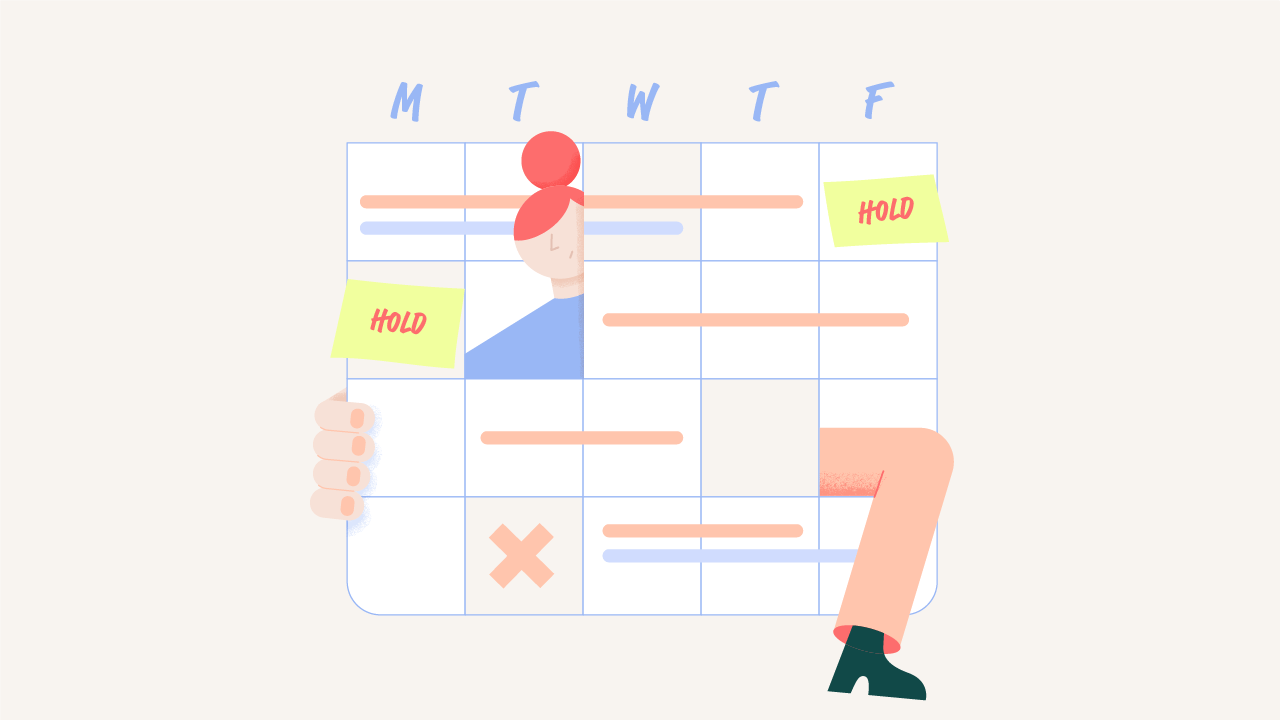
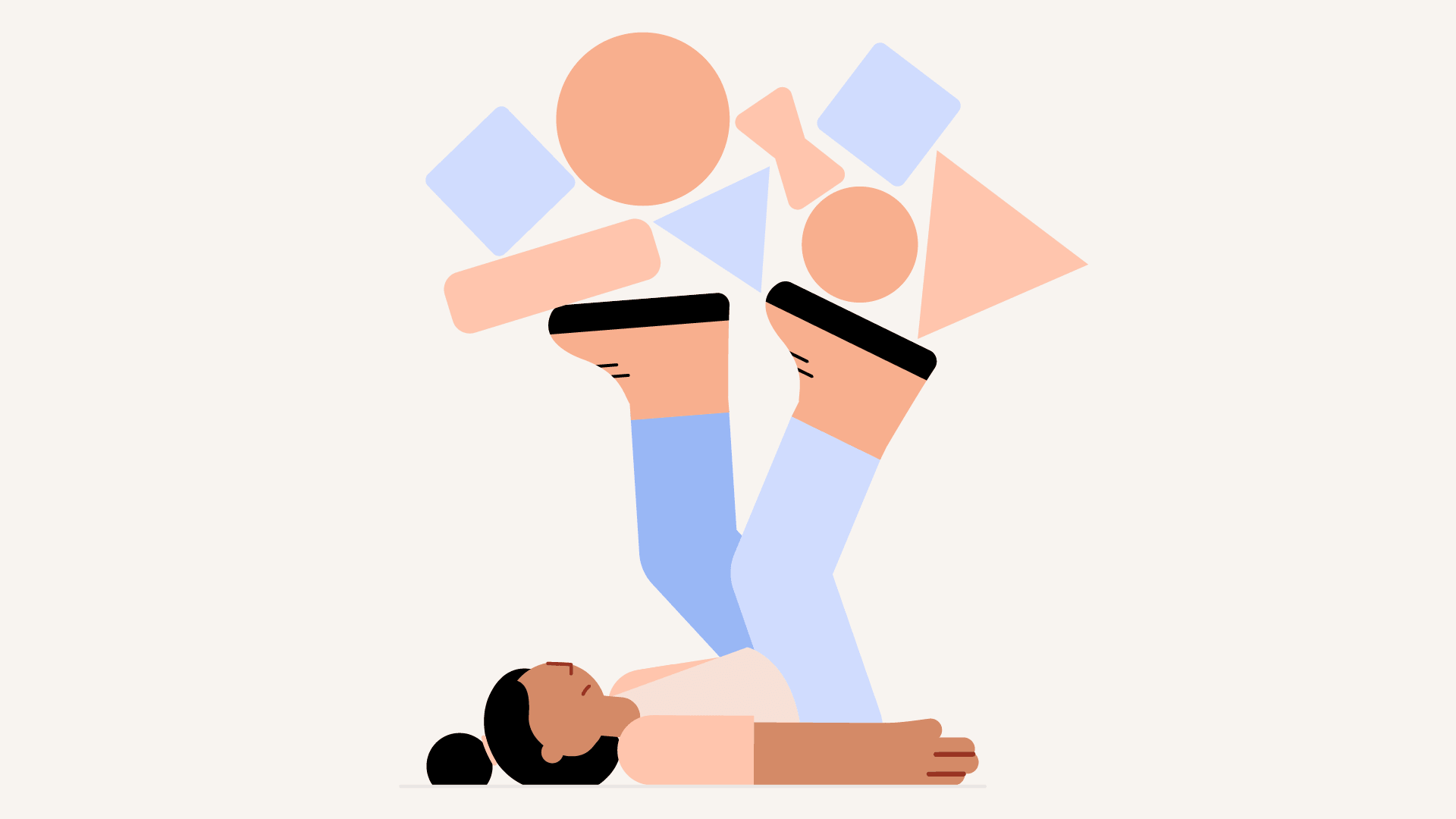
At some point, a lot of motion designers start thinking about building a studio.
It feels like the natural next step. More clients. More revenue. A team. Something that looks like growth from the outside.
But running a studio is a completely different job. And for a lot of designers, it is not actually an upgrade.


At some point, most senior designers think about starting a studio. It feels like the natural next step. More people, more clients, more revenue.
But running a studio changes the job entirely.
You’re no longer primarily a designer. You’re running a business.
And that shift carries a lot of invisible pressure.
Studios often generate far more revenue than a solo freelancer.
But protecting profit becomes significantly harder.
Running a studio means carrying real overhead. Payroll, rent, software, insurance, accounting, sales commissions. The list grows quickly.
Revenue scales up, but so does the machine that consumes it.
What looks like growth from the outside often hides tight margins.
Studios scale by leveraging other people’s time.
Instead of billing only your hours, you bill the output of a team.
In theory, that leverage is powerful.
But it’s leverage that can also work against you.
If projects slow down, you don’t just lose income. You start burning through overhead. Payroll still runs. Landlord expects rent. Software renews.
A quiet quarter can turn into a financial fire drill very quickly.
This is the part the industry rarely talks about.
Many studios don’t survive long term.
Not because the founders lack talent or ambition. But because the model itself is extremely difficult to run.
Studios depend on constant deal flow.
If the pipeline dries up, the overhead doesn’t disappear with it.
And unlike freelancers, studio owners can’t simply ride out a slow month. They’re responsible for keeping an entire organization alive.
When the pipeline tightens, founders face difficult decisions.
Layoffs become essential for their survival.
Many studio owners struggle with this moment. You’re not just managing finances. You’re responsible for people’s livelihoods.
And the emotional weight of that responsibility is something most designers never consider before starting a studio.
This is the tradeoff that creeps up on every founder.
When you run a studio, your job shifts away from the craft that attracted you in the first place.
Your time starts filling with meetings, proposals, sales calls, and internal operations. You’re managing schedules, hiring freelancers, reviewing budgets, building processes, and keeping projects moving.
Many owners try to remain creatively involved... and it drags the team down. Their time is limited, which often turns them into the bottleneck for approvals and revisions.
Instead of animating, you’re giving notes.
Instead of designing, you’re managing.
For some people, that shift is exciting.
For others, it pulls them away from the work they love doing.
For a long time, the assumption was simple.
If you want to grow your business, you hire people.
But that’s not the only way to scale anymore.
Today, many designers expand their income and impact by building systems instead of teams.
Designers can package their expertise into assets that sell repeatedly.
Motion templates, design assets, courses, fonts, and ebooks allow you to create something once and distribute it many times.
It’s leverage without payroll.
Instead of billing time, pricing can be tied to outcomes.
A percentage of a launch, performance based partnerships, or rates tied to campaign impact allow your compensation to scale alongside the results.
Instead of quoting every project from scratch, services can be structured into repeatable packages.
Motion branding systems, YouTube motion toolkits, and content animation bundles simplify the sales process and make production more efficient.
Some designers compress delivery into focused engagements.
A client books a day or week of dedicated work. The schedule is predictable and the pricing reflects the speed and access.
Many creatives now monetize their expertise through content.
Ad revenue, affiliate partnerships, sponsorships, and newsletters have become legitimate income streams for designers who share their knowledge.
Subscription models provide ongoing creative support for a flat monthly rate.
Instead of constantly chasing projects, designers build recurring relationships with clients. This creates predictable revenue and long term partnerships.
Studios can absolutely succeed.
But the studio path comes with real pressure. Overhead, staffing, and the constant need to keep the pipeline full become part of everyday life.
For some designers, the goal isn’t to run a company and manage people.
It’s to build a career that is financially sustainable, creatively fulfilling, and aligned with the kind of life they actually want to live.
And there are far more ways to do that than the traditional studio model.
It is often presented that way, but it is not the only path. Starting a studio changes the role from designer to operator, which is a very different type of work.
Studios can generate more revenue, but they also have significantly higher costs. Payroll, management, and overhead can reduce profit margins more than people expect.
The biggest change is the nature of the work. You spend more time managing people, selling projects, and handling operations, and less time designing.
Some designers realize they enjoy the craft more than running a business. The responsibilities of managing a team and maintaining consistent work can be very different from what they expected.
Many designers build sustainable careers without creating a studio. Freelancing, retainers, or subscription based models can provide stability and control without taking on the complexity of managing a team.

Motion Partner