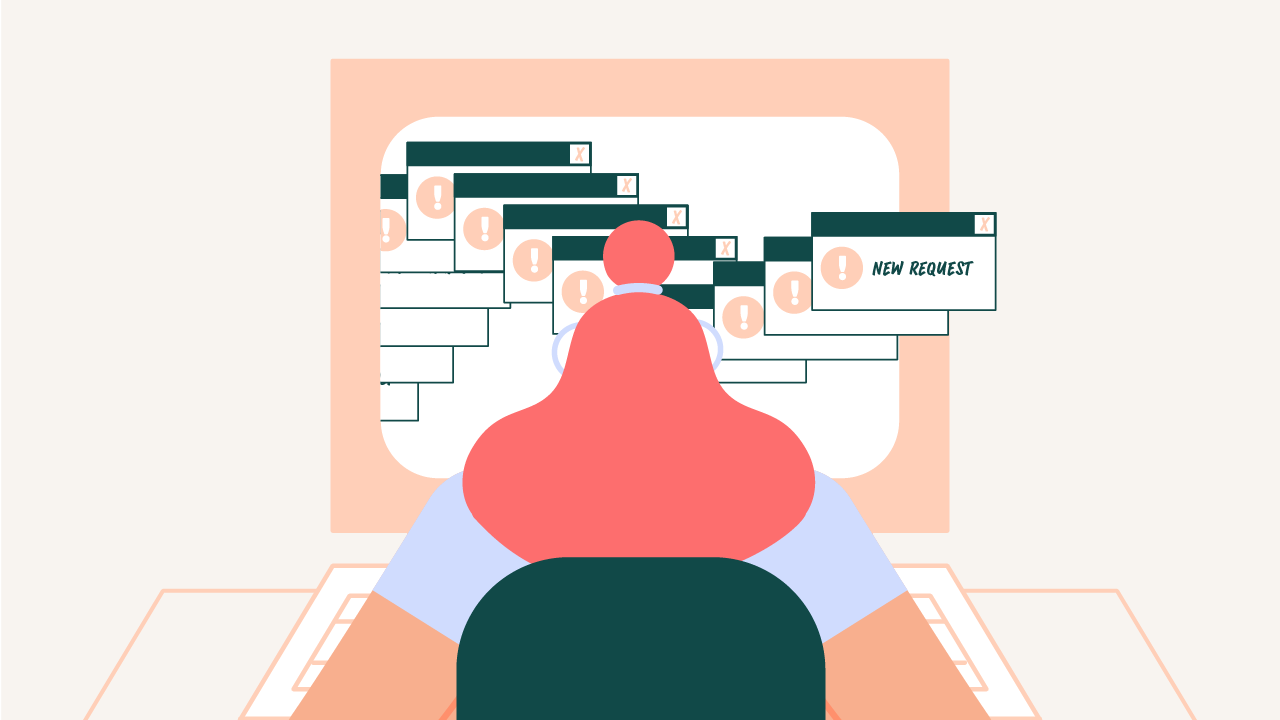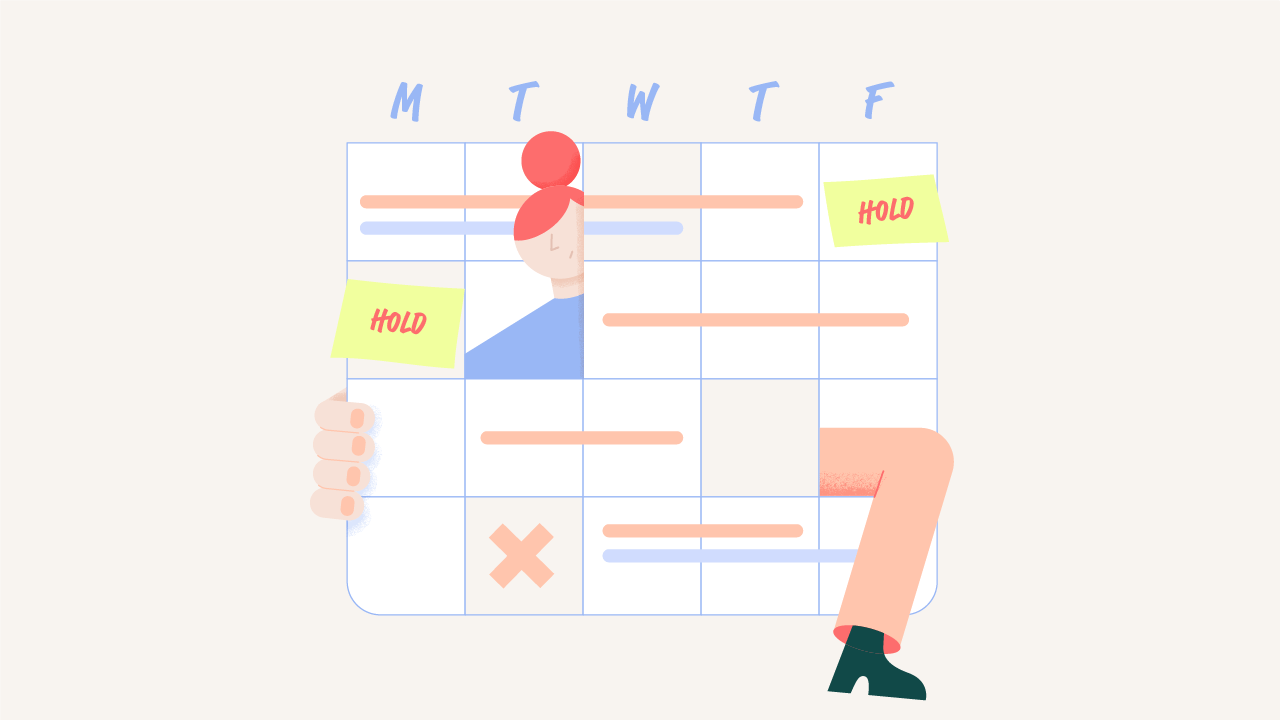

Most teams ask the same question at some point. How much does it cost to hire a senior motion designer?
It sounds like a simple question, but the answer is not straightforward. Rates vary widely, and the pricing model often matters more than the number itself.
The real question is not just cost. It is how that cost fits into your workflow and how much value you are actually getting from the work.


Hiring a senior motion designer in 2026 typically costs between $8,000 and $25,000+ per month, depending on how you structure the relationship.
Here’s the quick breakdown:
Those numbers vary by market and experience level. But if you're hiring a true senior, it’ll be in this range.
The real question isn’t just what they charge. It’s how their pricing translates to your project needs.
A senior motion designer in 2026 is not someone who just animates cool flashy intros.
They approach the work strategically in order to:
At the top end of the freelance market, senior day rates can reach $1,200 per day or more, with overtime exceeding $200 per hour. I’ve worked at that level inside big tech environments.
That pricing isn’t inflated. It reflects experience, speed, and production maturity.
But how you hire that level of talent determines whether the math works in your favor.
Here’s how the main hiring structures compare in 2026.
Let’s look at how these behave in real scenarios.
If you book a senior designer at $1,200/day for 20 days in a month: $24,000.
Add then you get slapped with 10 hours of overtime at $225/hour: $2,250 more.
You’re already north of $26,000 for the month.
That may make sense for a campaign sprint. Or if you’re a company like Google with money to burn.
It rarely makes sense for small teams with recurring digital content.
Most recurring YouTube shows, podcast networks, and digital studios don’t need motion reinvented every week.
They need reuseable infrastructure.
Things like:
These can be built as modular After Effects toolkits or even reusable Premiere Mogrts for editors.
Once those systems exist, editors can deploy 60–70% of recurring motion without waiting on a designer.
That’s leverage that continues to build.
Then the senior motion designer focuses on:
You go from painstakingly scoping out every deliverable, to having a system that streamlines your edits.
I once worked on cutting a one hour stand-up special into vertical social posts.
We produced 17 separate posts. It ended up being 30 minutes of custom animated captioning. Not Capcut auto-subtitles. Designed, timed, and styled motion.
Those posts performed between 500K and 7.6M views.
It wasn't as simple as “throw some text on the bottom.” It was premium, labor intensive motion design.
Now imagine pricing that purely by day rate.
When motion is tied directly to content performance, the cost model matters.
Even when priced per project, the sticker price is rarely the full cost of hiring.
Motion design often requires multiple visual directions before one is selected. Each unscoped round incurs additional time and overages.
In documentary style work, edit shifts can invalidate an entire motion sequence. You’re not revising. You’re rebuilding something for the new cut.
Freelancers require onboarding, context, file management, and revision coordination. The time managing freelancers has a cost.
As deadlines tighten, overtime becomes the default. What started as a clean estimate suddenly includes $200+ per hour rush work that no one planned for. A single late round of notes can add thousands.
Full time staff is the highest carrying cost a company can take on. You incur that expense every month, whether the motion workload justifies it or not. Slow cycles don’t reduce payroll. The cost remains fixed, even when utilization drops.
These models are often confused.
A traditional retainer typically:
A subscription model functions differently:
For creator led teams, launch focused sales, and unpredictable content cycles, that flexibility matters.
You’re not paying for idle time. You’re paying for access and speed when you need it.
Day rate makes sense when:
Agency models makes sense when:
Full-time staff makes sense when:
Retainers makes sense when:
Subscriptions makes sense when:
Instead of asking: “How much does a motion designer cost?”
Ask: “What does sporadic motion cost our content’s performance?”
If your team publishes weekly, episodic, or recurring content, motion isn’t a one off expense.
It’s infrastructure. You can pay for time. Or you can build systems that scale with you.
Senior motion designers can charge anywhere from several hundred to over a thousand dollars per day depending on experience and demand. The total cost depends on how the work is structured and how many days are required.
Pricing varies because motion design projects differ in complexity, timeline, and scope. Two projects that look similar can require very different levels of effort depending on the details of the work.
A senior motion designer can provide significant value through speed, experience, and quality. The impact often depends on how frequently motion is needed and how well the work fits into the team’s workflow.
Costs often depend on how long a project takes to complete. Without a clear structure, timelines can shift and budgets can expand, which makes pricing feel inconsistent.
The biggest factor is how the work is structured. Project based work, day rates, and ongoing service models all lead to very different cost outcomes over time.

Motion Partner