
Live tour marketing moves fast.
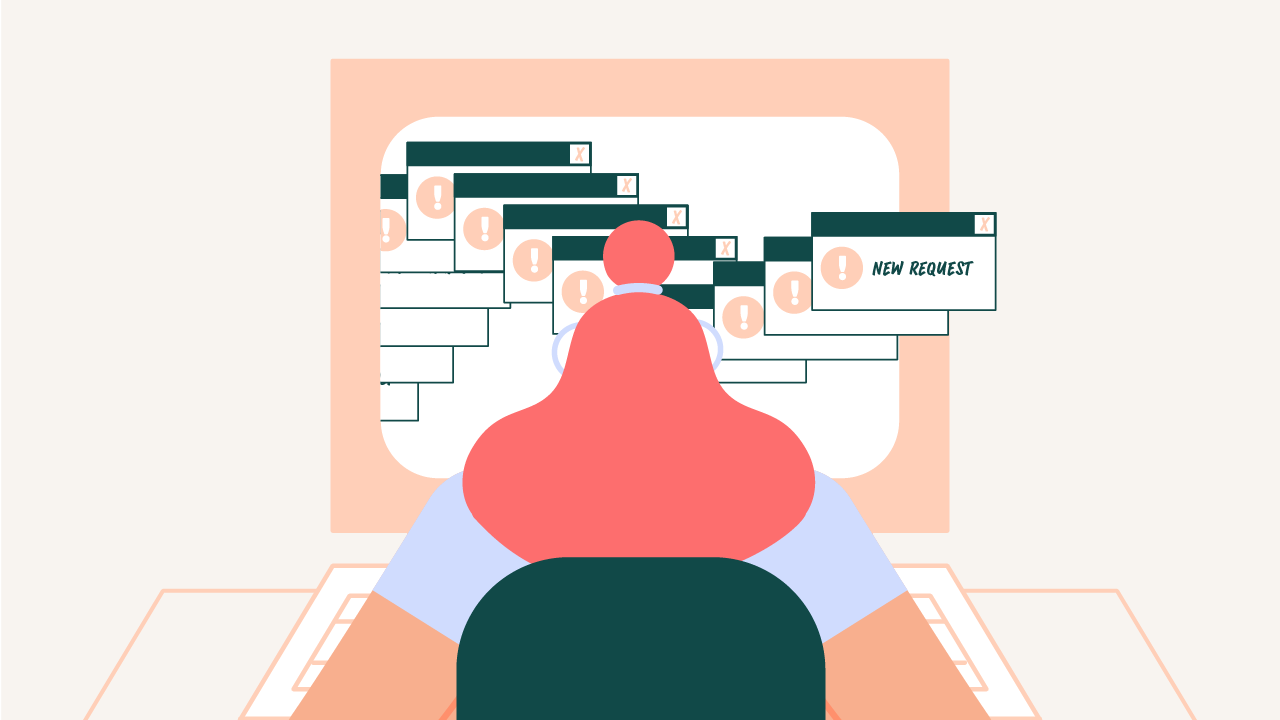
Announcements, ticket drops, city reveals, last minute pushes. Content is constantly being produced, often under tight timelines and shifting priorities.
Most teams treat each piece of content as its own project. That works for a while, but it becomes difficult to keep up as the tour ramps. The teams that move the fastest are not creating from scratch every time. They are working from systems.


A live tour is not just a string of shows. It’s a rolling campaign moving from city to city.
Static posters and one off social posts are not built for that kind of momentum.
The tour should live beyond the venue. Every performance is both an event and a marketing opportunity.
Strong tour marketing does not just sell tickets for this run.
It builds authority that markets the next one before it’s even announced.
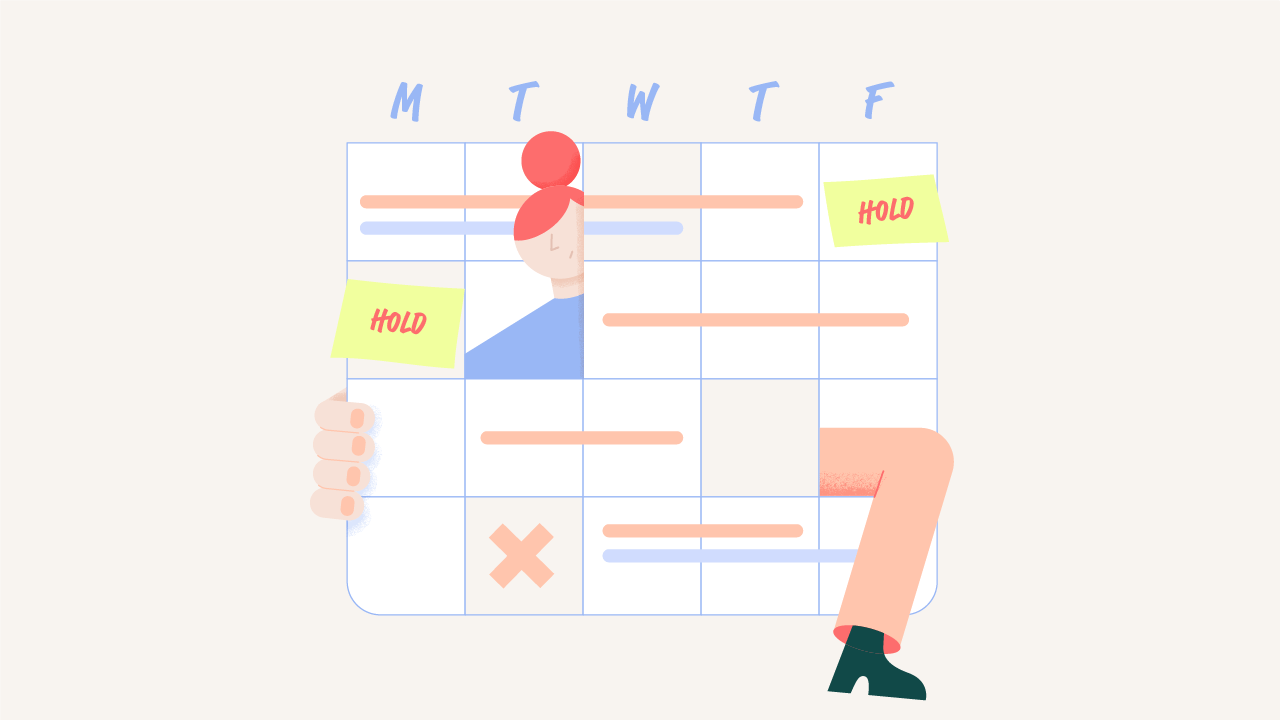
A tour is not just a performance schedule. It’s a structured rollout.
Every tour cycle typically includes:
Each phase requires visual assets.
You build a motion system.
A motion system for a live tour is a reusable set of animated assets, templates, and design rules that support promotion, stage design, and social distribution across the entire tour cycle.
Without structure, every asset is reactive. With a motion system, each stop builds towards the next.
Live performance is the core product.
But content is the distribution engine.
Touring talent need motion across three layers:
When those layers share a visual language, the brand feels intentional.
When they don’t, the tour feels fragmented.
Performance highlights, rehearsal footage, crowd reactions.
These moments drive demand. But raw footage is not enough.
Strong tour cutdowns include:
When you’re publishing dozens of clips during a tour push, you cannot build each social asset from scratch.
High volume launch cycles only stay polished when caption presets and reusable motion systems are built in advance.
Tour marketing requires more than one launch post.
You need assets for:
These tour animations should not live in one place. They need to move across your feed, into Stories, through paid ads, and into email campaigns.
The goal isn’t just visibility. It’s repetition.
When the same visual language shows up across multiple touchpoints, the message sticks.
One animation system. Multiple placements.
Motion doesn’t just live on social. It can transform the live show itself.
Stage visuals may include:
This creates cohesion between the live experience and the digital campaign.
The audience doesn’t just watch a show. They experience your brand IRL.
A performance night is fleeting. The content from it can extend beyond.
Each stop on the tour can generate:
When packaged intentionally, every city builds authority for the next.
This compounds into future ticket sales, platform releases, and partnerships.
Touring talent often underestimate the revenue potential of sponsors during live shows.
A design system can support:
Talent can promote their own product lines.
Or they can sell integrated brand partnerships tied to the tour.
It’s a way to monetize beyond ticket sales.
A modern tour does not just produce live shows. It generates daily social content, ongoing ticket pushes, sponsor integrations, recap moments, and teasers that extend far beyond the stage.
Every stop creates material that can be documented, packaged, and distributed.
The right motion system ensures that every show reinforces the brand, every clip supports ticket sales, every recap builds authority, and every sponsor integration feels intentional.
The show happens once.
But the tour should live beyond the venue.
Live events operate on fixed timelines and real time demand. Announcements, ticket sales, and ongoing promotion all require content to be produced quickly to match audience interest.
Teams that keep up usually rely on repeatable workflows and pre built assets. This allows them to produce content quickly without starting from scratch for every update.
Motion design helps content stand out and communicate information quickly. It is especially useful for announcements, updates, and promotional content that needs to capture attention immediately.
Starting from scratch requires more time for design, approvals, and production. When timelines are tight this approach makes it harder to respond quickly to new opportunities or changes.
Teams can improve by building systems that support repeatable content creation. Motion systems and flexible workflows make it easier to produce content consistently throughout the lifecycle of a tour.

Motion Partner