If you have ever tried to hire a freelance motion designer quickly you have probably run into the same problem. The best people are already booked.
It can feel like a talent shortage. In reality it is more of a scheduling problem. Most experienced motion designers work on project based timelines, which means their availability shifts constantly and often fills up weeks in advance.
For teams that produce content regularly this makes freelance motion design surprisingly difficult to rely on.


From the outside, it looks like freelancers are always booked.
Slow to respond.
On hold forever.
Impossible to lock down.
From the inside, it feels very different.
Unavailable doesn’t usually mean disinterested.
It means navigating the tradeoffs clients don't see.
At a certain point in your freelance career, the bookings you choose become less about excitement and more about stability.
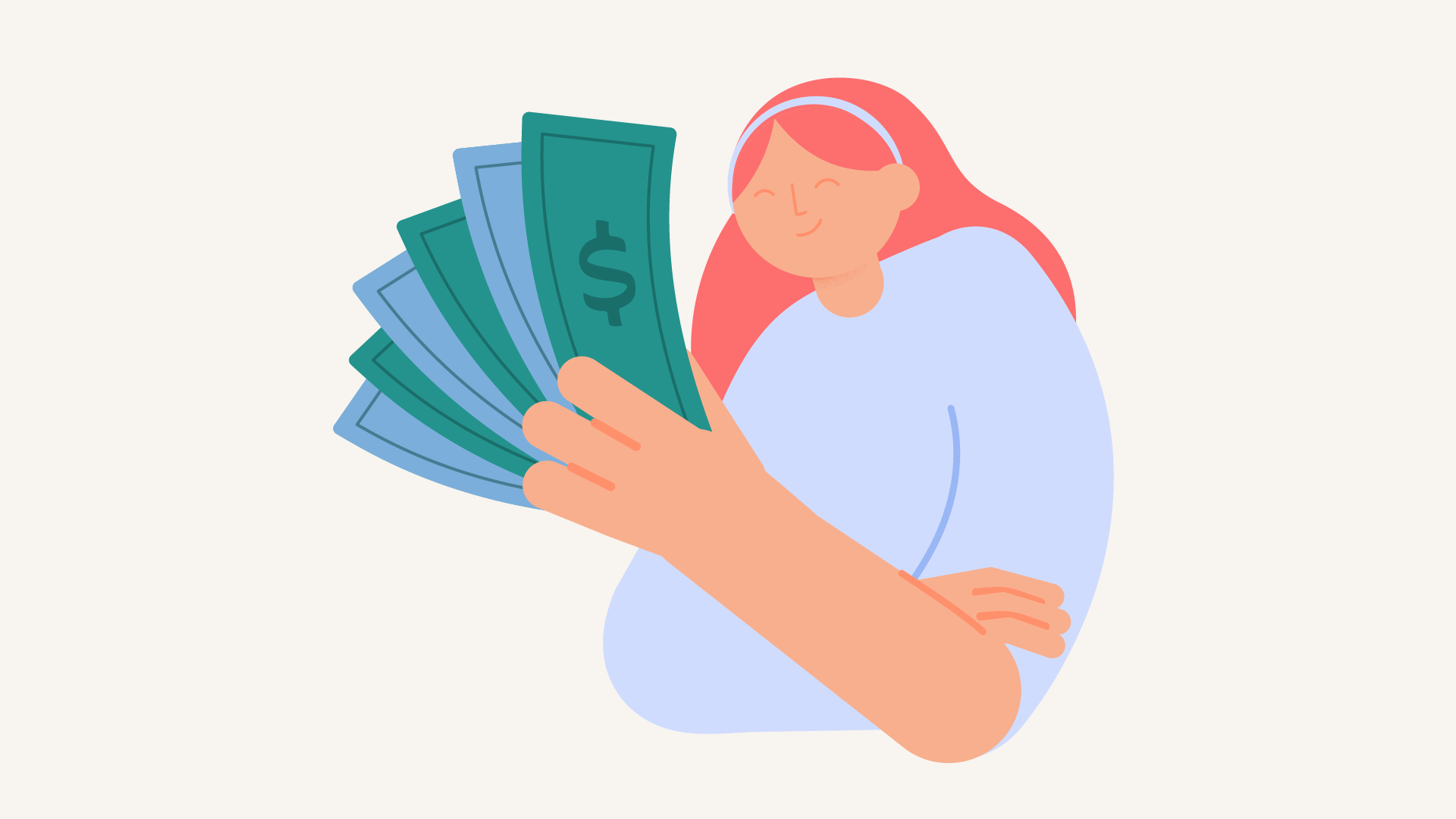
For me, a two month booking at $1200/day is almost always going to beat out a two week, creatively exciting project that's "just about to award".
Not because I don't want to work with that client.
But because predictable income matters.
I can’t even count how many times I’ve had to say no to a dream project because I was already booked on something less glamorous… but stable, well budgeted, and clearly scoped.
That decision is rarely emotional. It’s practical.
This isn’t a freelancer problem. It’s a hiring structure problem.
Freelancers don’t choose longer bookings because they're the most creative.
They choose them because they reduce risk.
A three month booking means:
A one day or two week request has to compete with that reality.
Even when the relationship is great or the creative exciting.
That’s why availability feels impossible.
Because the system rewards longer commitments.
Of course, there are exceptions.
There have been moments where the creative opportunity was so compelling that I said yes (despite my schedule).
When you’re asked to collaborate with a muralist for projection mapping over Lady Bird Lake in Austin… you have to say hell yes.
But those yeses come at a cost.
On paper, taking on two projects at once seems doable.
In reality, overlapping timelines stretch your energy, compress your focus, and quietly push other opportunities aside.
You deliver. The clients are happy.
But you come out the other side exhausted… and with fewer prospects than before.
Those “worth it” bookings almost always require recovery time.
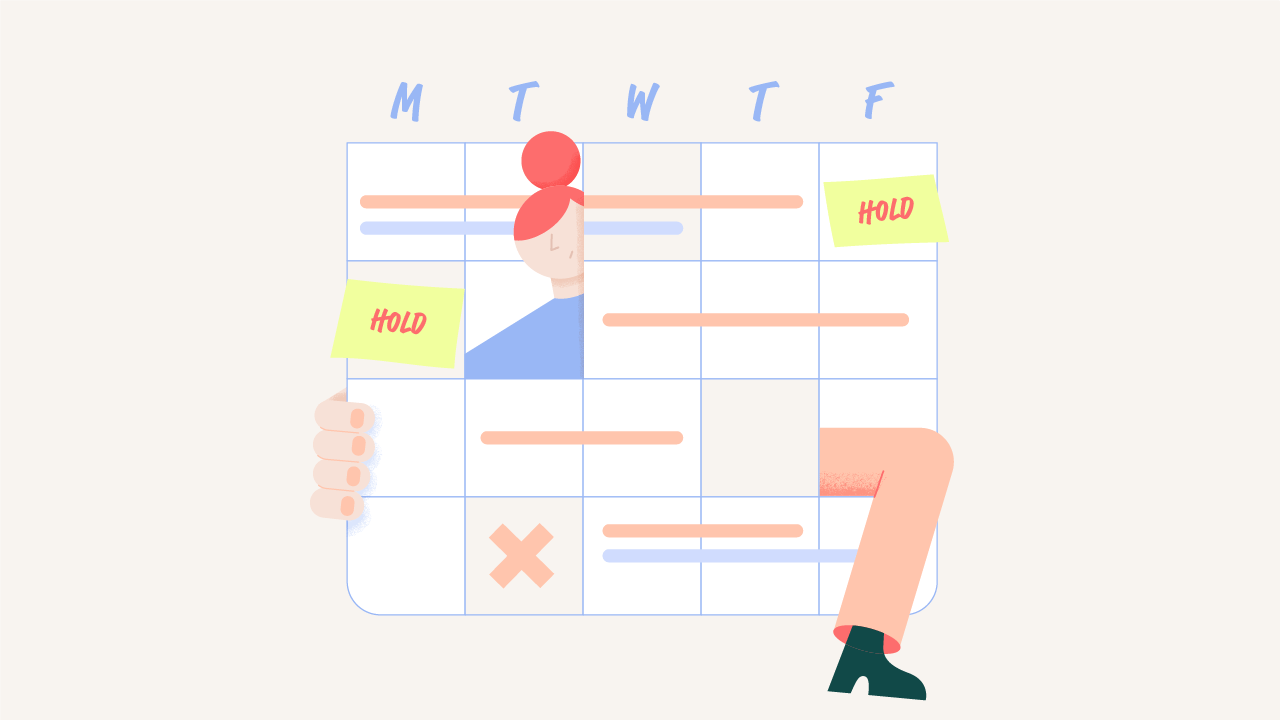
Holds are meant to create flexibility.
In practice, they often freeze decision making and shift risk onto the freelancer.
You wait. You hedge your bets.
You turn down smaller work that might actually move forward.
When multiple holds overlap, freelancers are forced to make impossible calls.
You challenge one booking to accept another.
Sometimes it works. Sometimes it doesn’t.
When it doesn’t, you lose time and income… with no clear way to recover it.
Even when kill fees are paid, canceled work creates gaps that are difficult to refill.
That experience teaches freelancers to prioritize certainty over flexibility.
Not because they want to…
But because the system punishes their optimism.
I’ve often taken on two projects at once.
I’m always transparent when a client has night or hourly availability. It’s never been an issue contractually. And they always leave happy.
But juggling projects drains you.
Working nights means recovery time later.
Ideally, I’d schedule projects sequentially.
But they never show up that way.
The timelines always overlap.
So you either say yes… or lose the income.
This part rarely gets talked about.
Working multiple projects is hard on home life.
Especially now that I’m a mom.
When work ramps up, I rely heavily on my husband to cover the after school care from 4–7pm. That imbalance comes with guilt… feeling like a bad partner, a bad parent, or both.
Clients don’t see that I consult my husband before accepting projects. Especially if it means nights, overlap, or compressed timelines. It's only fair.
Availability decisions aren’t just business decisions.
They’re life decisions.
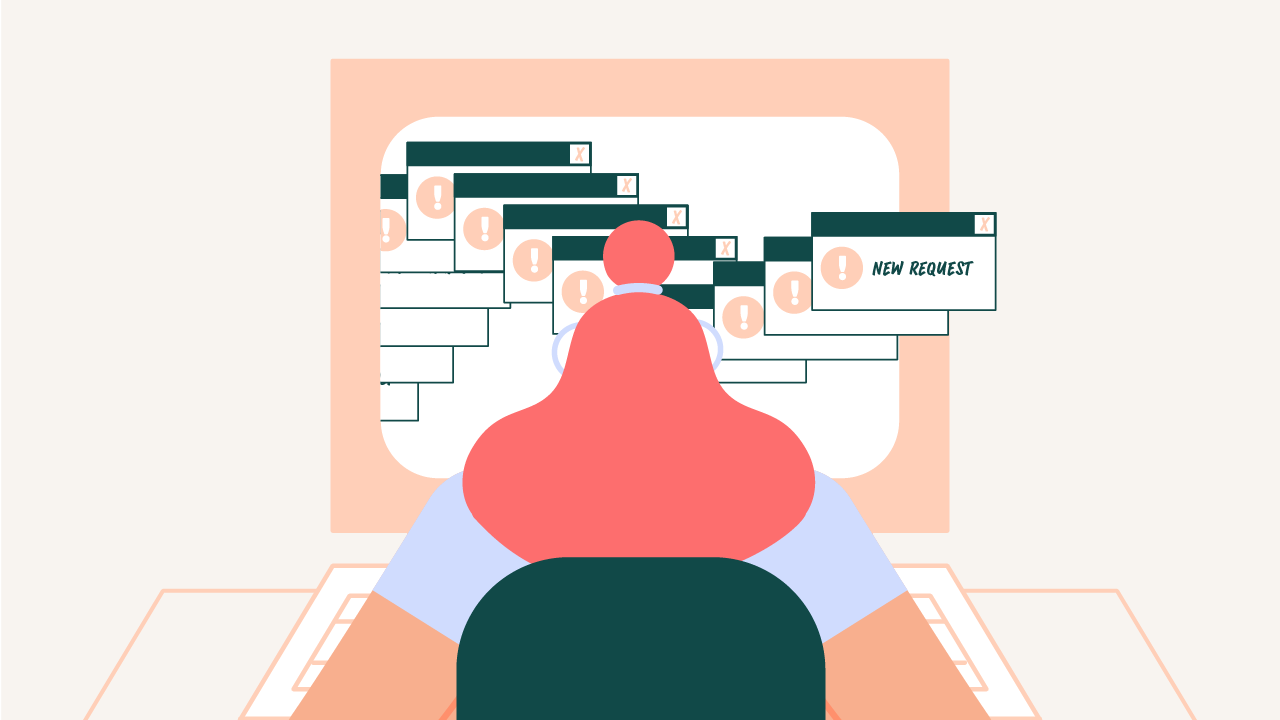
When I’m unavailable, it can cause real stress on teams.
Producers understand how the game works, but it’s maddening from a resourcing perspective. Yes, there are other animators. But sometimes my skill set, speed, or familiarity with a brand is the reason they reached out in the first place.
Even a great replacement requires onboarding.
Learning the style.
Understanding the team dynamic.
Building trust.
When they’d rather book someone they know can get it done.
Unfortunately, the clients who consistently secure the best freelancers are the ones with the biggest budgets.
Large brands can lock in holds early and splash cash to guarantee availability.
I actually prefer working with small teams of creatives. The impact is bigger. The trust is higher. The creative freedom is usually better.
But at the end of the day, I still have to go where the money is.
And that doesn’t always feel like a choice.
There’s another quiet pressure freelancers live with.
If you say no enough times, clients will simply find other freelancers. They build those new relationships. They get comfortable.
Over time, they stop reaching out as much.
It’s one of the reasons freelancers say yes when they shouldn’t.
Availability isn’t a binary choice.
It’s a constant negotiation between stability, creativity, relationships, and life.
Most freelancers want to say yes more often.
But they’re unavailable because the system rewards long bookings, penalizes flexibility, and shifts risk onto them.
Until pricing models better reflect how content teams actually operate, the best freelancers will be hard to book.
Many experienced motion designers maintain long term relationships with a small number of repeat clients. Those ongoing projects fill a large portion of their schedule which leaves limited availability for new work. By the time a new team reaches out the calendar is often already full.
Many senior freelance motion designers schedule work several weeks or even months in advance. Larger projects and repeat clients tend to reserve blocks of time early which makes it difficult for new clients to find immediate availability.
Most freelance motion designers organize their schedule around projects rather than open availability. When a project runs longer than expected or a client extends their timeline the available calendar space disappears quickly.
Some companies work with multiple freelancers to spread the workload while others use retainer based relationships. Another approach is working with motion design subscription services which provide ongoing access to motion support without needing to search for availability each time.
The best approach is building long term relationships rather than searching for a designer only when a project appears. Teams that plan ahead and maintain ongoing partnerships usually have a much easier time securing reliable motion support.

Motion Partner