
Most teams treat motion design as something that happens after the content is finished.
Script is written. Visuals are designed. Then animation gets layered on top.
It feels efficient, but it creates problems. Motion ends up working around the content instead of shaping it. Timing feels off. Important moments get missed.
Motion works best when it is part of the workflow from the start.


Most content teams follow a totally normal workflow.
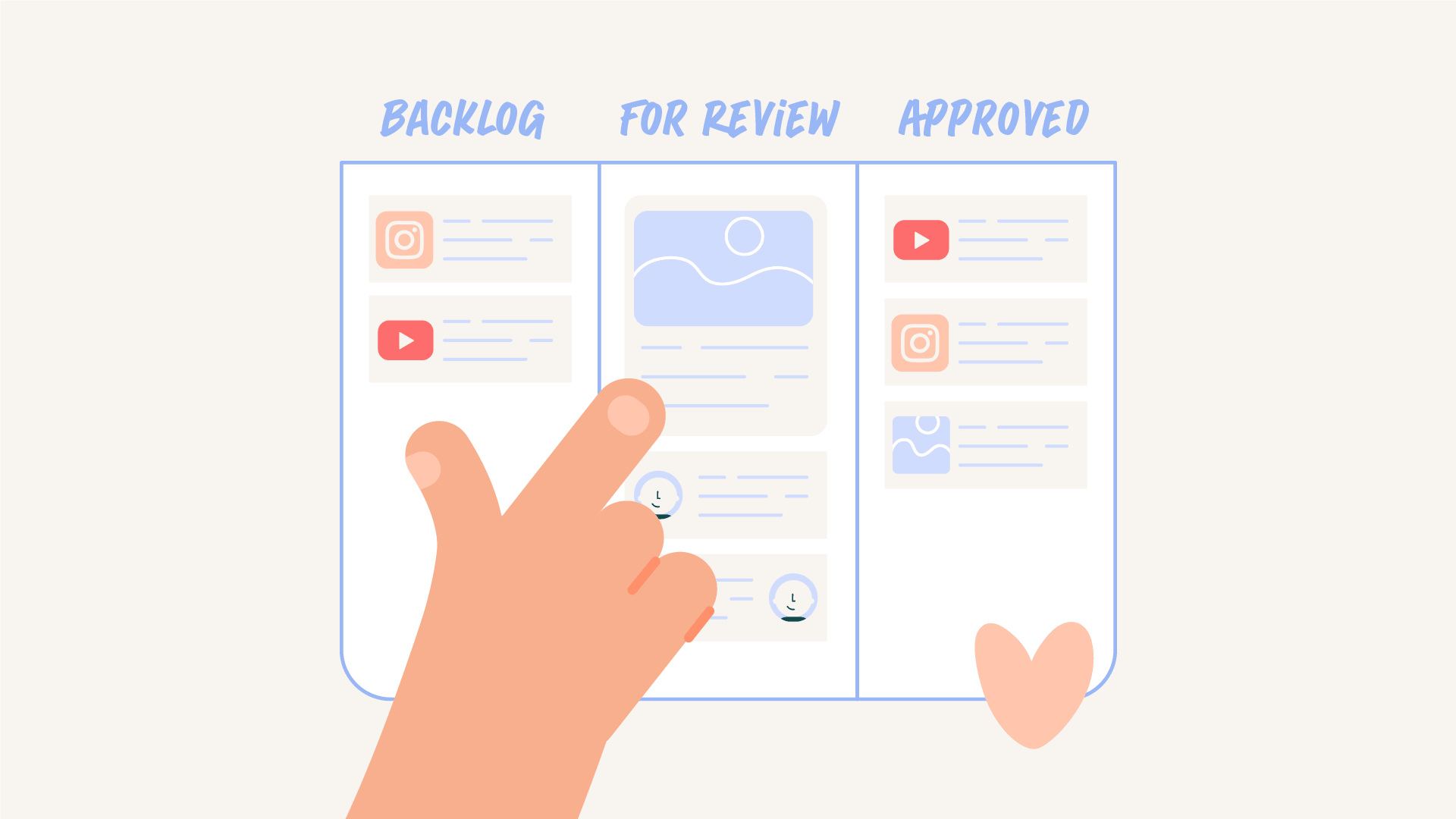
Script → Film → Edit → Add graphics
There’s no need to radically change this.
But if motion is only considered after the edit is locked, you’re forcing it to react to decisions that have already been made. And that’s where the headaches start.
High performing content teams consider motion before filming.
Most people think motion slows down editors and creates extra back and forth.
In reality, when motion is built into the structure, it prevents revision loops.
It supports the edit instead of disrupting it.
If you publish consistently, motion touches every part of the pipeline.
It shapes the framing, the structure, and the pacing.
When motion is considered early, the entire workflow runs smoother.
There’s less fixing. Less reworking. Less debate.
Motion isn’t extra. It’s built in.
Strong motion workflows begin in scripting.
Making a strong claim → a full screen type moment.
Shifting topics → a chapter divider.
Citing data → a visual explanation.
Those decisions should be baked into the outline. Not guessed at in the edit.
It matters in production matters too.
You need to leave headroom for vertical reframes. Capture clean close ups for thumbnails. Avoid chaotic backgrounds that destroy type legibility.
“Fix it in post” is always going to cost you more time & money.
On reactive teams, editors build things from scratch every week.
New caption styles & fonts, no standard placement, choosing random colors.
Inside a structured team, editors deploy systems that’ve already been built.
This enables your editors to move faster.
Your branding stays consistent.
And no one is debating fonts or designs.
The decisions are already made.
Which means your brain can focus on story, pacing and… editing.
When there’s no defined system, review drifts toward surface level changes.
Time gets spent adjusting fonts, repositioning captions, and reacting to inconsistencies that shouldn’t exist in the first place.
But when a motion system is in place, your editorial reviews shift.
Instead of getting stuck on formatting or second guessing visual choices, the conversation moves to substance.
You’re refining pacing. Strengthening the hook. Tightening sections that feel slow.
The mechanics are already handled.
Motion systems protect your energy so it can be spent on craft.
One episode shouldn’t produce one asset. It should power everything.
The long form video feeds the cutdowns. The cutdowns use a social toolkit. Thumbnails follow a design framework. Stories and carousels pull from templates that already exist.
You’re not creating net new content. You’re activating what you already have.
And when that’s built into the workflow, publishing stops feeling chaotic.
I’ve seen this play out inside dozens of teams.
The difference isn’t effort. It’s structure.
Teams without structure rebuild every week. Branding shifts. Turnaround slows. Energy gets drained by small decisions.
Teams with structure deploy systems. Output speeds up. Branding stays steady. Focus stays on story.
One model keeps you busy. The other builds momentum.
Motion isn’t extra polish. It’s the structure your content stands on.
Without it, every post starts from zero.
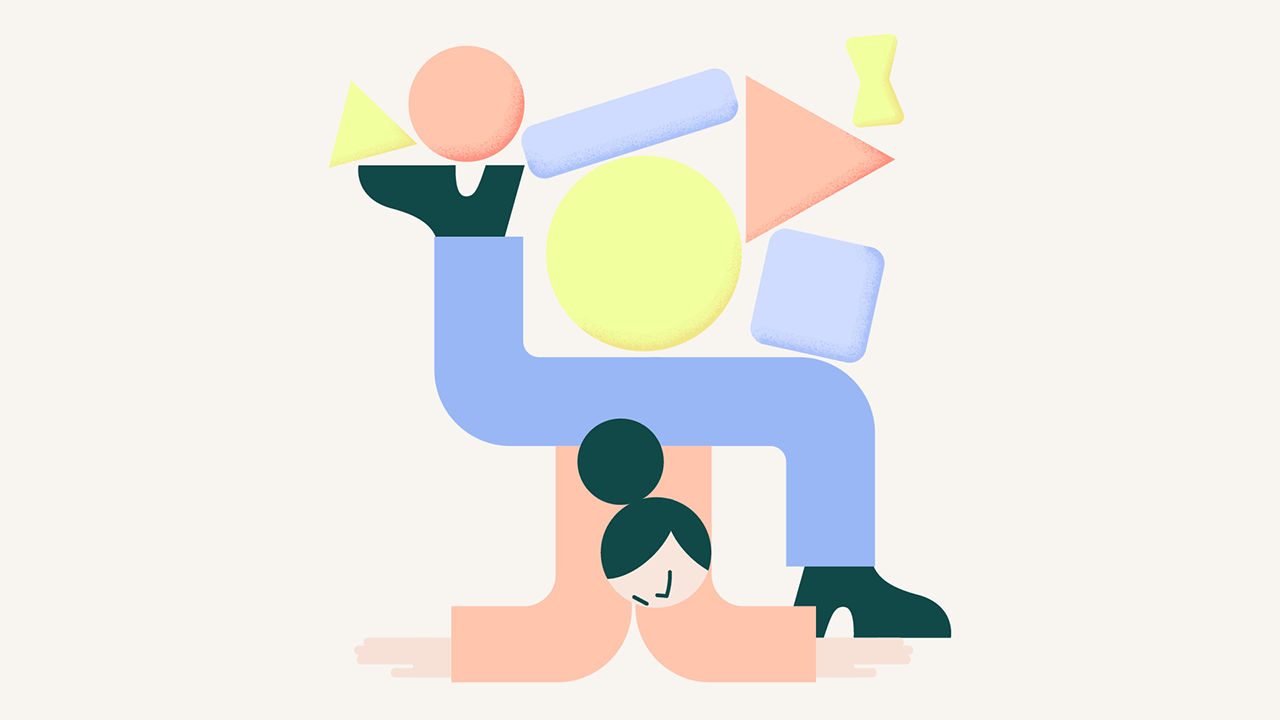
With it, everything stacks.
Motion design should be introduced early in the process. When it is part of the initial concept it can influence pacing, structure, and how information is communicated.
Adding motion at the end limits what it can do. At that point the structure is already set, so animation becomes decorative instead of functional.
Motion controls how information appears and how attention moves through the content. It helps guide the viewer and clarify key moments.
Teams can involve motion designers during planning and concept development. This allows animation to be considered alongside writing and design instead of being added later.
Integrating motion early leads to clearer communication and better pacing. It allows content to feel intentional rather than layered together at the end.

Motion Partner