
In motion design, there is no shortage of work.
But there is a shortage of alignment.
Most freelancers aren’t stuck because there aren’t opportunities. They’re stuck because they keep saying yes to whatever shows up.
So their portfolio becomes random. Their network becomes random. Their income becomes unpredictable.
Finding better clients isn’t about reaching more people.
It’s about being intentional about who you’re trying to work with in the first place.


Before you start making a list of dream clients, you need to get honest about what you want your work to look like.
Not in a vague “I want to work on cool projects” way.
In a very specific, day to day sense.
The type of work matters. The pace matters. The subject matter matters. The people matter.
Some designers want long engagements where they can sink into a story. Others want fast moving content with constant output.
Some care about working with brands they admire. Others care about solving specific problems for a certain type of team.
If you skip this step, everything downstream gets muddy.
You’ll recognize a good opportunity when you see it. But you won’t know why it’s good. And you won’t know how to get more of it.
The way you like to work determines who you should be working with.
If you like building systems, you’ll thrive with teams that publish constantly.
If you like crafting one off pieces, you’ll be drawn to campaigns, films, and launches.
If you like autonomy, you’ll want clients who trust you without heavy oversight.
If you like collaboration, you’ll want teams that are deeply involved.
Most people don’t think about this. They focus on the brand name.
But the daily experience of the work matters more than the logo attached to it.
Once you know what kind of work you want, you can define who creates that work.
This is where most people stay vague.
They say things like “startups” or “creators” or “big brands.”
That’s WAY too broad.
You should be able to picture the exact person you’re trying to work with.
What kind of team are they on?
What kind of content are they producing?
Why do they need motion?
What is breaking in their workflow right now?
What would make them say yes immediately?
The more specific this gets, the easier everything else becomes.
Because now you’re not marketing to “the industry.”
You’re speaking directly to someone. A real person.
This is where things get practical.
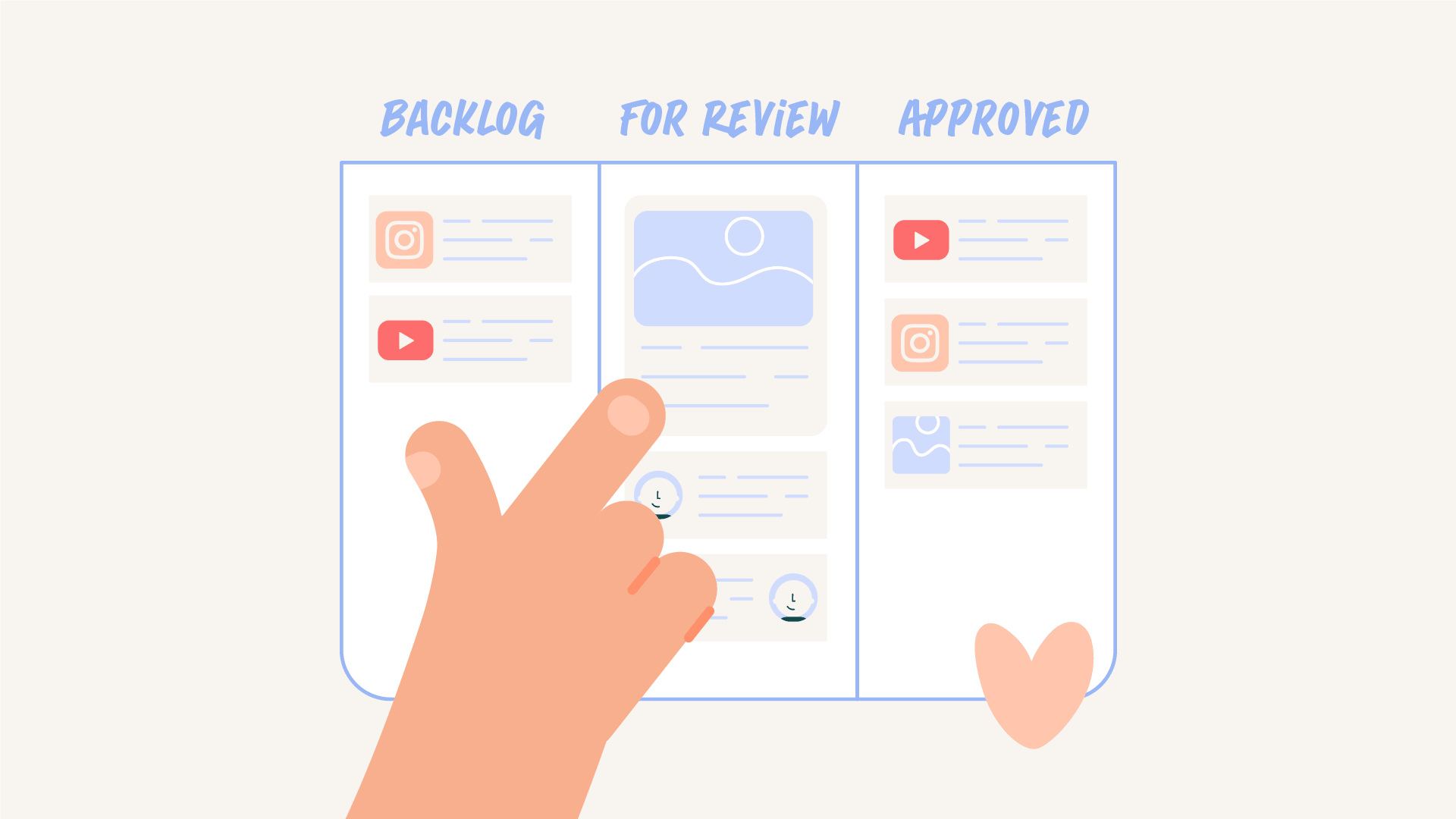
Instead of waiting for the right people to find you, you make a list of the clients you actually want.
A small group of clients can drive the majority of your income. You’ve seen this play out yourself.
Instead of trying to reach everyone, you identify the few that matter.
Your Dream 100 is exactly that.
A list of companies, creators, or teams that would meaningfully impact your business if you worked with them.
Not aspirational for the sake of ego.
Relevant to the kind of work you want to be doing.
This list becomes your focus.
Not something you glance at once. Something you return to and revise consistently.
Most portfolios try to appeal to everyone.
They show a mix of styles, industries, and project types.
They hope something sticks.
But the result is everybody's confused.
When your work and messaging are aligned to a specific type of client, something different happens.
People feel it immediately. They can tell who it’s for. They can see how it applies to them.
This doesn’t limit your opportunities. It sharpens them.
Even if the right person lands on your site, they still need to understand how to work with you.
This is where a lot of freelancers lose jobs.
If your pricing and structure are unclear, people hesitate.
They don’t know what to expect. They don’t know if it’s in their range. They don’t know how to move forward.
So they leave. Or worse, waste your time with back and forth.
When your offer is clear, the right clients self select.
They know what they’re getting into. They know if it’s a fit.
And that makes starting the conversation much easier.
One of the fastest ways to improve your client quality is to be clear about what you don’t do.
Not aggressively. Just honestly.
If you don’t do 3D, character animation, or design logos… say that.
You help the wrong clients disqualify themselves before they ever reach out.
That saves you time. And it makes the right clients feel more confident.
Once everything is aligned, your outreach becomes much more targeted.
You’re not blasting messages.
You’re reaching out to a specific group of people who are already a good fit.
This is where the Dream 100 becomes useful.
You can research them. Understand what they’re doing. Reach out with context.
It can feel like a grind. But it doesn’t take many wins to change your business.
One strong client can anchor your year.
Capturing an interested lead when they’re most excited will help you land more clients.
If they have to email back and forth to find a time, things stall.
If they can book a quick call instantly via a tool like Calendly, you can convert them faster.
A short call is enough to understand if there’s alignment.
You don’t need a long sales process.
You just need a clear next step that is instant & easy.
A lot of freelancers are reactive to opportunities.
And their career unfolds because of the work they fell into.
Over time, it creates a scattered body of work and a business that feels unpredictable.
When you get clear on who you want to work with, everything starts to line up.
Your portfolio reflects it. Your messaging reflects it. Your outreach reflects it.
And eventually, your clients reflect it too.
You don’t need MORE opportunities.
You need more focused ones.
Start by defining what “better” means for you. The type of work, pace, and team you enjoy should guide who you target. Once that’s clear, align your portfolio and outreach to that specific client.
A Dream 100 is a curated list of companies or creators you want to work with. These are clients that could meaningfully impact your business, not just random leads.
Yes, but not in a restrictive way. Getting specific about who you serve makes your work more relevant and easier to understand. It doesn’t limit opportunities, it attracts better ones.
Clear pricing or structured offers help qualify leads faster. It prevents misaligned inquiries and makes it easier for the right clients to move forward.
It can work when it’s targeted. Reaching out to a defined list of ideal clients is far more effective than sending generic messages to a broad audience.
Fewer than you think. A small number of strong, aligned clients can drive the majority of your income and create more stability than constantly chasing new work.

Motion Partner