
Most creators spend hours refining their videos.
They dial in the hook. Tighten the script. Check the edit frame by frame. Test thumbnails. Rewrite titles.
They obsess over almost every part that drives performance.
And then they slap on captions and call it done.
Motion’s an afterthought. But it’s doing more than most teams realize.
It shapes pacing, controls attention, and keeps viewers engaged long enough for the algorithm to push your content further.


Most creators think motion design is about making their videos pretty.
Better captions. Nicer transitions. Cleaner graphics.
But platforms don’t reward pretty videos.
They reward videos that hold attention.
If your content earns the click and keeps viewers watching, it gets pushed further. If viewers drop off early, the algorithm crawls to a stop and it dies.
Motion matters because it directly influences the signals platforms measure.
Click through rate. Retention. Watch time. Repeat viewing.
Motion isn’t decorative. It can directly impact your video’s performance.
Every platform is measuring some version of the same thing.
Did viewers click, stay, and keep watching more?
The specific names vary, but the core signals are consistent:
High performing videos earn the click and keep attention long enough for the platform to recommend them further.
Most creators understand thumbnails affect CTR.
Fewer realize that motion plays a major role in the other metrics.
Platforms reward videos that hold attention.
Motion helps your content perform better against the exact metrics that determine distribution.
Talking head content is naturally static.
If nothing changes visually, the viewer’s brain starts drifting.
This is where motion becomes powerful.
Motion introduces rhythm into the edit.
Captions appear at the right moment. Words punch when emphasis is needed. Sections shift visually when the topic changes. A visual reset pulls the viewer back in before their attention wanders.
High retention editors obsess over pacing.
They look for the moment a viewer might drift and insert something that resets attention.
Sometimes it’s a cut or b-roll. And sometimes it’s motion.
Motion hits the dopamine loop people are looking for while scrolling.
The brain sees movement and reacts instantly. It buys you a few more seconds.
And retention is the metric platforms care about most.
Performance isn’t just about one video.
It’s about what happens when someone sees your content again.
When viewers scroll a feed, they rarely read usernames.
They recognize creators through visual patterns.
Faces. Color. Typography. Layout. Pacing.
Motion reinforces those patterns.
When your visual language is consistent, your audience starts recognizing your content instantly.
And recognition leads to faster clicks.
This is where many creators sabotage themselves… They rely entirely on presets.
CapCut captions. Motion Array templates. Random font choices depending on the video.
The result is content that looks exactly like everyone else’s.
When your motion language isn’t distinct, your videos blend into the feed.
And when you blend into the feed, performance suffers.
Distinct motion branding signals identity, which drives recognition & clicks.
Many teams treat motion like a custom task.
Every video starts from scratch. New captions, new layouts, new decisions.
This approach slows production and creates inconsistency.
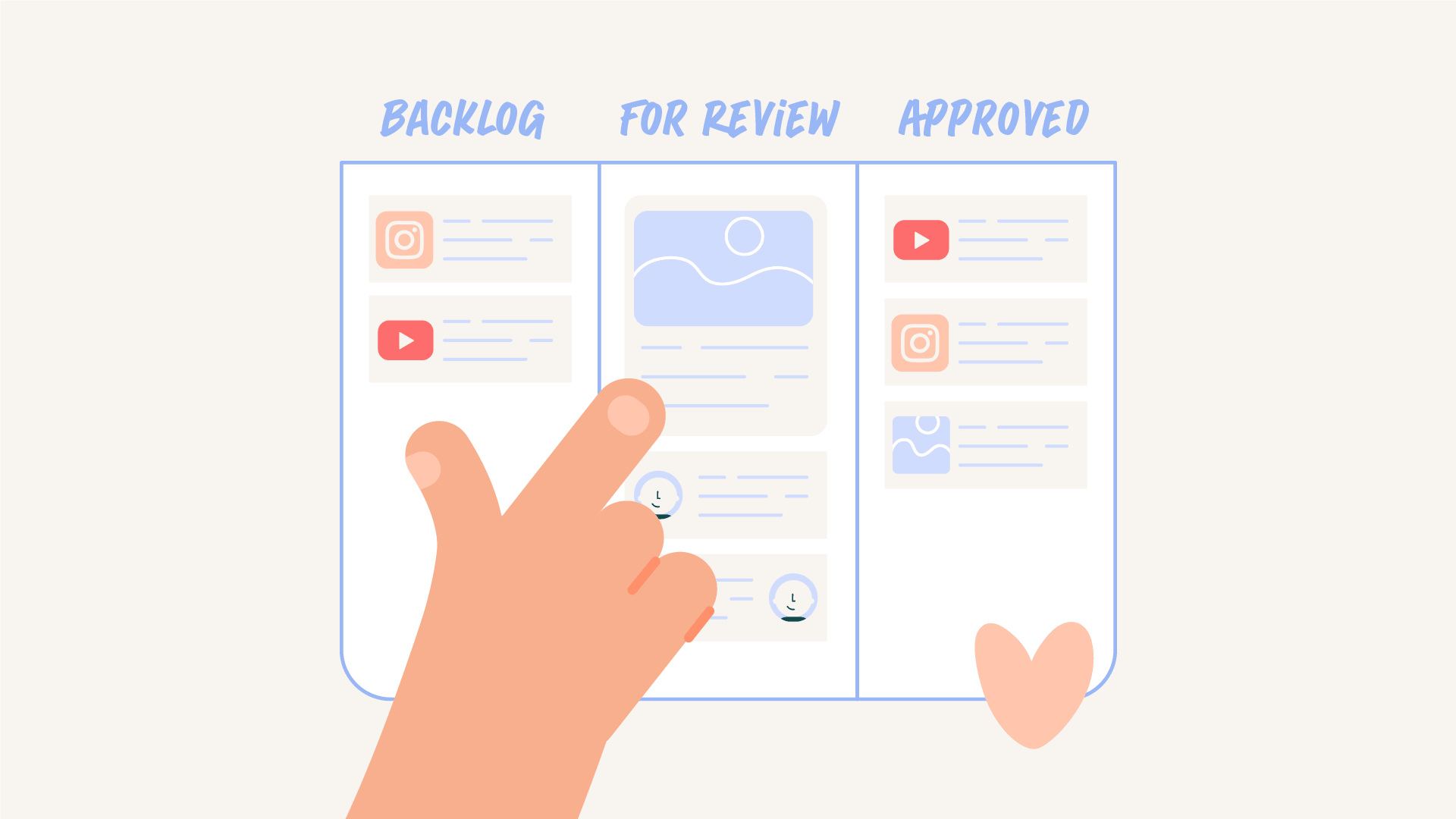
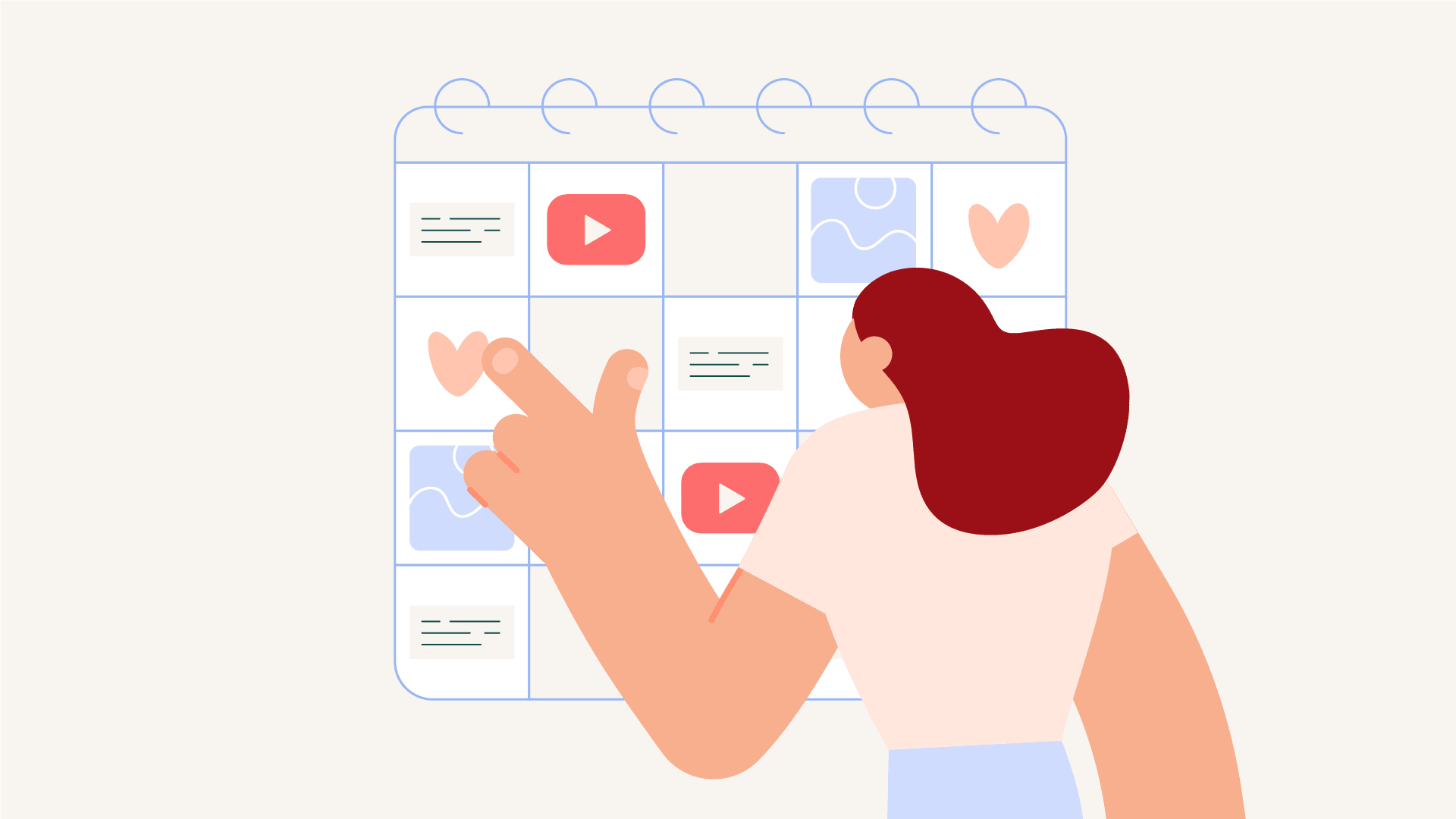
High output creators build motion systems.
Instead of reinventing visuals every week, they create reusable components:
These systems remove small decisions from the workflow.
Editors move faster. Branding stays consistent. Videos feel tighter.
And most importantly, performance becomes predictable.
The real power of motion isn’t one great animation. It’s consistency.
When motion becomes part of your content system, each video reinforces the next.
Viewers recognize your style faster. Your pacing becomes familiar. Your visual language becomes associated with your brand.
Over time that recognition compounds.
Which means the same content starts performing better with less effort.
Most teams treat motion like the final step.
Something you add after the edit is finished.
But the creators who understand performance treat it differently.
They build motion systems that support pacing, recognition, and retention.
Because when your videos perform better, everything else follows.
More reach ↗ More engagement ↗ More growth ↗
Motion doesn’t just make videos look better.
It helps them win the feed.
Yes. Motion helps maintain attention by introducing visual changes that reset the viewer’s focus. When used strategically, it keeps pacing dynamic and reduces drop-off during key moments.
The most effective motion supports structure and pacing. Caption emphasis, typography beats, chapter dividers, and visual resets help guide attention and make content easier to follow.
Editing and motion work together. Editing controls the overall structure, while motion reinforces pacing and emphasis. Without motion, even well-edited videos can feel flat and lose attention.
Often, it comes down to packaging and pacing. Motion affects how clearly ideas are communicated and how engaging the video feels moment to moment, which directly impacts retention and watch time.
Yes, but there’s a ceiling. Basic presets can help early on, but consistent, intentional motion systems are what make retention predictable and scalable over time.

Motion Partner