
Lately, a lot of people have been asking me the same question.
“How does your motion subscription actually work?”
And more specifically, how I’m managing multiple clients at once without everything falling apart.
I get why people are confused. From the outside, it sounds like a lot to juggle, and there’s this assumption that something has to give… either the quality, the speed, or your sanity.
But once you understand what this model is actually designed for, it stops feeling chaotic and starts feeling obvious.


Most designers are used to a very specific structure. You scope a project, define a timeline, deliver the work, and then move on.
So when they hear “subscription,” they try to force that same structure onto it, and it immediately breaks.
This isn’t a cheaper way to execute big projects. It’s a different solution for a different type of work, and that distinction is where most of the confusion comes from.
Subscriptions are built for work that doesn’t neatly start and stop. The kind of work that shows up every week, needs to move quickly, and doesn’t make sense to re-scope every single time.
This works best for content driven teams that are producing on a regular cadence.
It’s not about one big deliverable. It’s about supporting the ongoing engine behind a brand.
Typical requests look more like:
These aren’t isolated projects. They’re part of a system.
And once that system is in place, everything moves faster.
This isn’t a catch all solution, and it works better when that’s clear upfront.
There are certain types of work that just don’t belong in this model:
☝️That last one is usually the biggest blocker in my subscription.
I’m happy to help shape ideas and strategy, but this model runs best when someone can come in and say, “Here’s what we need.” That clarity cuts down on revisions and keeps everything moving at the pace this model is designed for.
When people hear $5,995 a month, their brain immediately compares it to consumer subscriptions. Netflix has completely broken how people think about the word “subscription.”
But that’s not the right comparison.
The real comparison is what it costs to consistently access a senior motion designer.
At my level, you’re easily looking at $20,000+ a month if you’re booking someone full-time through day rates, and that’s assuming you can even lock them in. Availability alone can stall a team’s entire content pipeline.
From a client’s perspective, the question isn’t “is this expensive?” It’s “what happens if we don’t have this?”
And that’s where the value starts to become very clear.
There’s also a reason people are skeptical, and honestly… it’s fair.
A lot of subscription services in this space feel faceless. You don’t know who’s actually doing the work, there’s no clear creative point of view, and everything starts to look a little templated.
Some of them are priced so low that the only way they work is by outsourcing or heavily relying on automation. That’s a completely different model, even if it uses the same word.
Here’s how I think about the landscape:
The difference is in how close you are to the person doing the work and how much context carries over from one request to the next.
This is another place where designers overestimate what’s required.
In my freelance years, I worked with anywhere from 5 to 12 clients annually, constantly chasing leads, shifting between projects and rebuilding context each time.
This model is much more concentrated.
You don’t need a huge roster. You need the right mix of consistent work and good fit.
I’m still figuring this out in real time, and that’s important to be honest about.
Right now, I’ve started with one client and am paying close attention to how the work flows. Most requests take around 2-4 hours before I send something out for review, and then there’s a natural pause while I wait on feedback.
That pause is where another client fits in.
I’ll keep scaling this gradually, adding a waitlist when needed and stopping before it becomes overwhelming. My gut says 3-4 concurrent clients is the sweet spot, but I’m letting the actual workflow define that instead of forcing it.
There’s a misconception that this model means lower quality, and I think that comes directly from how other subscription services have positioned themselves.
I’ve spent years doing high end studio work, and I’m still fully capable of that level of execution. I’m just choosing to focus on a different type of problem.
Content creation is where most brands are struggling right now. Not because they don’t care about quality, but because they can’t keep up with the pace required.
This model isn’t about lowering the bar. It’s about removing layers so the work can actually get out into the world.
At a certain point, I stopped being interested in just executing and started caring more about how the work actually moves through a team.
What slows it down. What gets in the way. What actually helps.
Working this way removes a lot of the unnecessary overhead that comes with traditional setups. There’s no constant resourcing cycle, no resetting context every few weeks, and far fewer layers between the idea and the execution.
I’m also closer to the people making decisions, which changes the role entirely. Instead of waiting for direction to trickle down, I can respond in real time and help shape what’s being made.
Most teams don’t need more strategy decks. They need to put things out, learn from them, and iterate quickly.
This shift is also personal.
I don’t want to operate like a gun for hire anymore, jumping between projects and rebuilding every few weeks. I’m more interested in consistency, both in the work and in how I run my business.
This model gives me control over my time while still letting me do the kind of work I enjoy. It also creates space to build something of my own, which hasn’t been possible when every hour was tied to client execution.
I’m not looking for more projects. I’m looking for better systems.
Most teams don’t have a motion problem. They have an access problem.
They can’t get started quickly, they lose time waiting on availability, and every new project comes with unnecessary layers.
This model isn’t about a race to the bottom.
It’s about making motion requests more efficient.
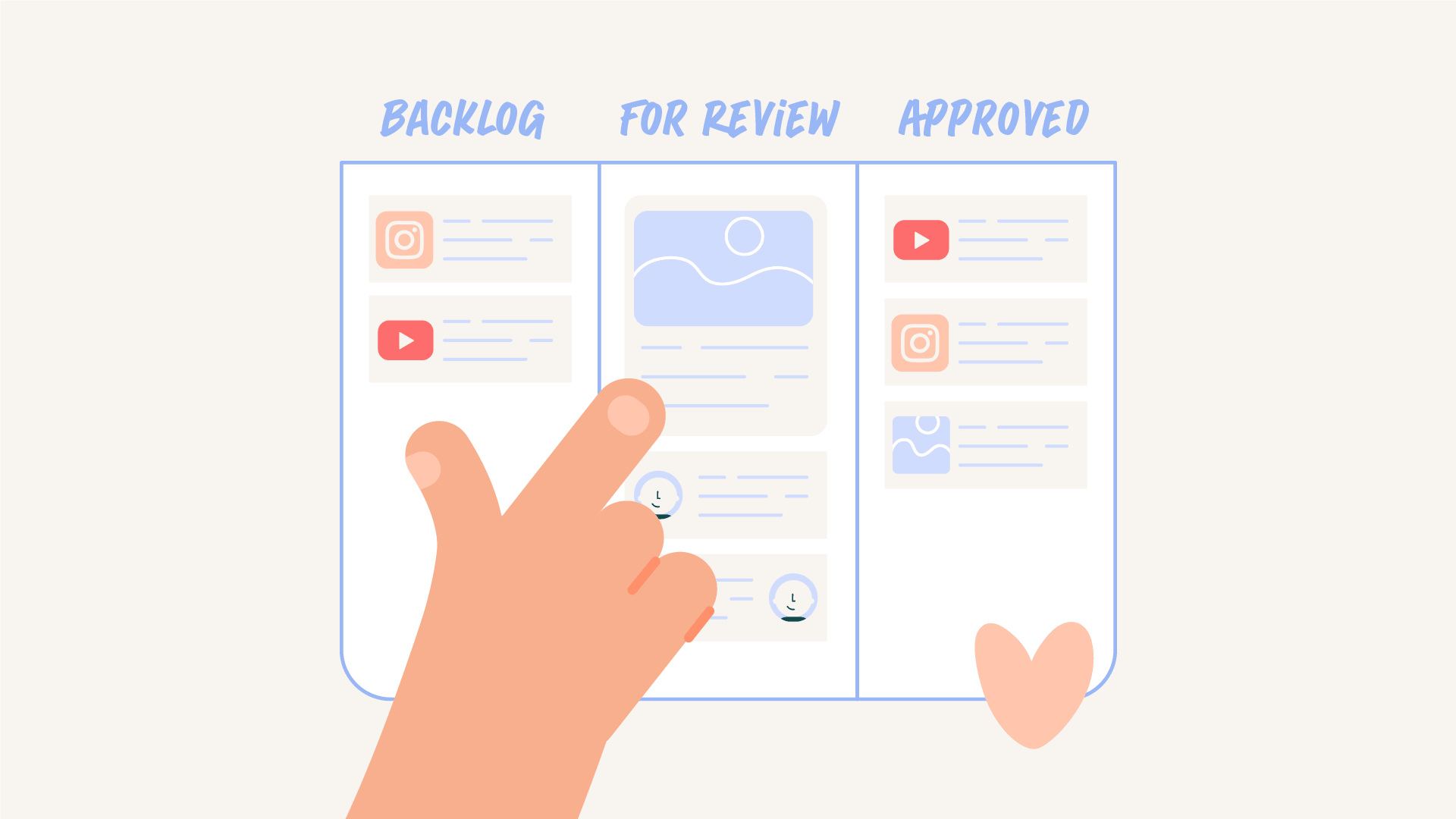
A motion design subscription is an ongoing service where a designer supports your team month-to-month instead of working on one-off projects. You submit requests as needed, and work is handled continuously without constant rescoping.
This model works best for ongoing content like YouTube packaging, social media animations, recurring series, and reusable motion systems. It’s designed for work that needs to move quickly and consistently.
Large, complex projects with long timelines don’t fit well. It also breaks down when there isn’t a clear direction, since this model relies on focused requests to stay efficient.
Traditional freelance is project-based, which means timelines, scoping, and resets for every request. A subscription creates an ongoing workflow, which reduces delays and keeps content moving.
Subscriptions solve an access problem. Instead of waiting on availability or rebooking for each project, teams get consistent motion support that keeps their content pipeline moving.

Motion Partner