
Most motion design work is structured around projects. A team needs animation, finds a freelancer or studio, and starts a new production cycle from scratch.
That process works for occasional campaigns. It breaks down when teams need motion constantly. Content production moves fast, and traditional animation workflows can't keep up.
A motion design subscription flips that model. Instead of starting a new project every time, teams get ongoing motion support through a structured request system.


When I first saw design subscriptions popping up, I was skeptical.
Unlimited requests. Fast turnaround. No way this was possible for motion design.
Turns out, it was. But only with an intentionally designed system.
Clear requests. Fewer decisions. Strong boundaries. And a workflow that protects focus instead of fragmenting it.
This post demystifies how a design subscription operates, so you can understand what you’re really buying as a client (or how to build something similar yourself).
The 15 minute intro call isn’t about convincing anyone.
It’s about alignment. I’m listening for:
The best long term clients don’t have everything figured out upfront.
But they’re open to collaboration and new ideas.
They’re ready to use me as a resource, not just a button pusher.
If it’s not a fit, it’s better to know that early.
This is where the entire model breaks from traditional freelance.
You pay through Stripe and the system kicks off immediately.
No contracts to create. No estimating. No negotiating scope.
That speed is the point. When motion support is instantly available, teams stop overthinking and just get to work.
All requests, feedback, and files live in a single client portal.
It’s the only place communication happens. And that’s intentional.
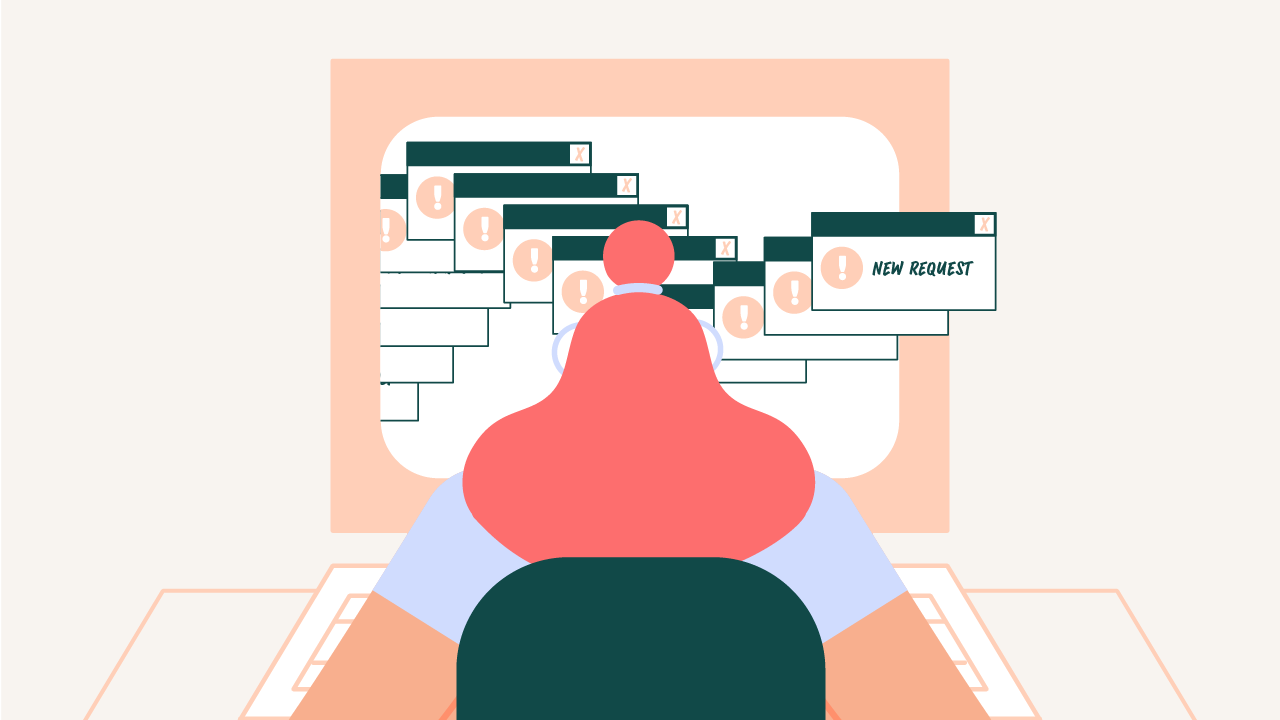
When you want something animated, you submit a new request using a simple template. This gives me the context and deliverable specs I need upfront without a back and forth email chain.
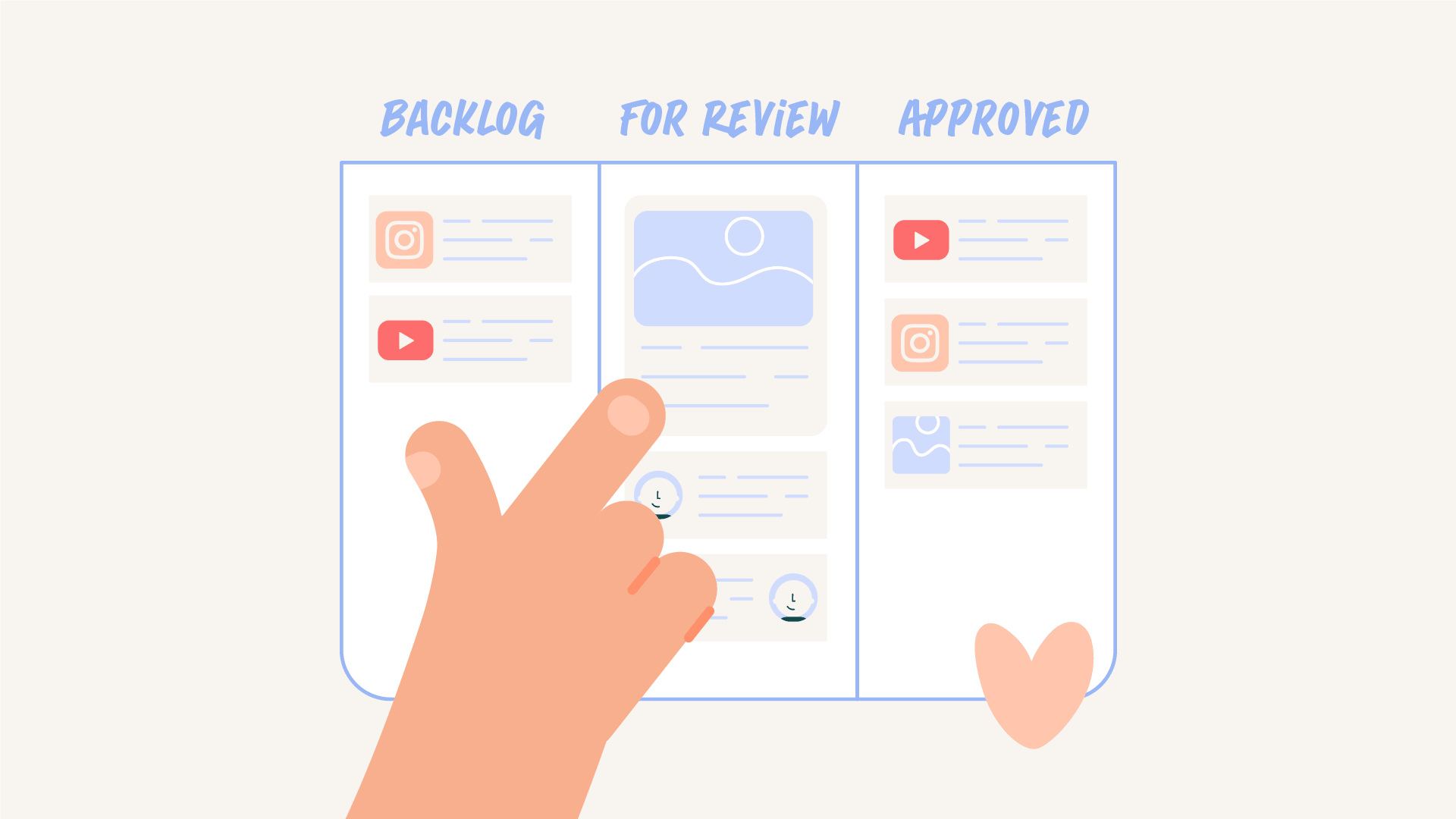
From there, requests move through a simple Kanban board:
Backlog ➜ Active request ➜ Work in progress ➜ For review ➜ Approved
You can see exactly what’s happening and what’s coming next at any time.
When something is ready for review, you’re notified directly in the portal.
And can even get email notifications if you prefer.
You leave comments in the same place the work lives.
When context, references, and feedback stay centralized, approvals move faster.
Every new request template includes space for:
Not everything has to be complete to get started. But the clearer the request, the faster everything moves.
Limiting work to one active request is a decision filter.
It forces teams to ask:
That clarity is what enables speed where it actually counts.
When I send files for review, I include my own notes.
What was changed, tweaked, and the direction I took.
Since all review is async, it helps to overcommunicate.
It also makes it easier for clients to give focused feedback instead of vague reactions.
After 15 years of doing this work, I’ve put in the reps.
I know how to move through common motion requests quickly and cleanly. Type animations, lower thirds, transitions, captions… I’ve done it all hundreds of times.
That experience creates a rhythm.
Requests are clearly defined.
Decisions are made quickly.
Feedback loops stay short.
Speed is the result of experience and a seamless system.
This model depends on thousands of invisible decisions.
Intuition for what motion style will work.
Knowing when to simplify and cut.
Not being afraid to ask when a request needs more clarity.
That judgment replaces kickoff calls and excessive revisions.
Unlike with freelance, clients don’t have to:
Motion stops being something else you have to manage.
And instead you can focus purely on the creative.
This is one way teams get motion support without hiring full time.
Traditional freelance work is held together by admin.
Availability checks. Holds. Rate updates. Invoicing.
Referrals when you’re booked.
It allows me to focus on what I do best: animating.
No calendar full of meetings.
No Slack interruptions.
No task switching that drains performance.
The subscription isn’t the product.
It’s the system and the outcome.
When it works, motion stops being something you plan around, justify, or put off.
It’s just there. Reliable. On brand. Ready when the idea hits.
And once teams experience that, it’s very hard to go back.
A motion design subscription is a service model where a team pays a monthly fee for ongoing animation support. Instead of hiring freelancers or studios for individual projects, teams submit motion requests and receive animation work continuously as part of the subscription.
Most motion subscriptions use a shared request system where clients submit animation tasks and prioritize what should be worked on next. Designers then complete requests sequentially, which allows teams to produce motion consistently without starting a new contract or production process for every project.
Motion subscriptions work best for repeatable animation tasks such as social media graphics, product demos, and marketing assets. These types of projects appear regularly and benefit from a consistent production workflow.
Freelancers are typically hired on a project basis and their availability changes over time. A subscription focuses on an ongoing relationship, which gives teams predictable access to motion design support without repeatedly searching for available designers.
Content teams, product marketing teams, and production companies tend to benefit the most. These groups often produce new content every week and need animation support that can keep pace with their publishing schedule.

Motion Partner