Hiring a full time motion designer sounds like a no brainer for a growing content team. But it is often not the right solution.
Content needs fluctuate. Priorities shift quickly. One designer becomes a bottleneck as soon as multiple requests compete for attention. At the same time freelance support is hard to rely on when you need consistent output.
Most teams do not have a staffing problem. They have a mismatch between their motion needs and how they are trying to resource it.


When teams start talking about hiring a full-time motion designer, it usually comes from the same place.
Motion needs keep showing up in the work. Editors are trying to handle it themselves. Brand consistency starts slipping. And relying on one off freelancers begins to feel inefficient.
Hiring feels like the logical next step.
A dedicated motion designer means consistency, familiarity with the brand, and someone who’s always available.
What they’re really searching for isn’t necessarily a new employee to manage.
It’s dependable motion support.
On paper, a staff hire seems clean.
One person. One salary. Motion gets keyframed.
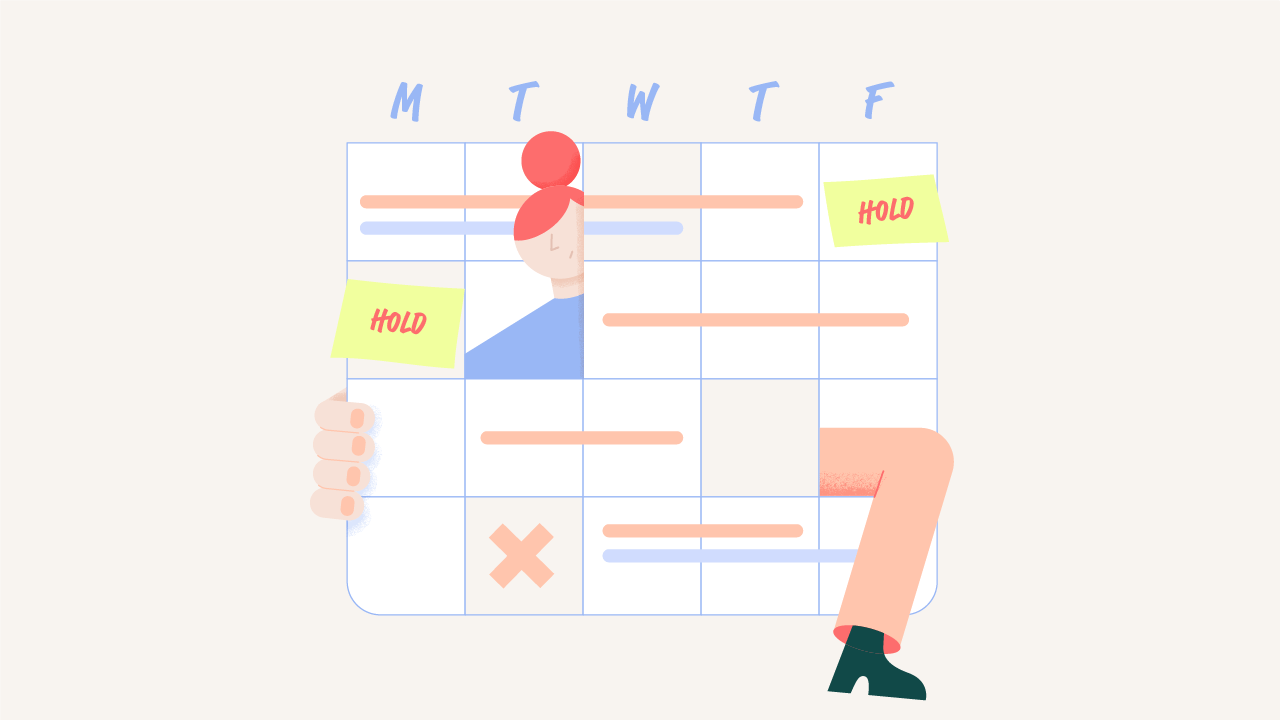
But content teams rarely have motion needs that line up neatly with a full-time role. Some weeks are busy. Some are quiet. Motion demand spikes around launches, campaigns, or posting pushes, then drops off again.
To justify the role, that animator often ends up wearing multiple hats.
They also design, illustrate, edit, film, and help with random production tasks.
None of which are actually motion design specialties.
The role becomes diluted, and the quality usually suffers.
The real challenge is that hiring models weren’t designed for how content teams actually work.
Even before the work starts, the new staffer needs to get up to speed.
Hiring. Onboarding. Learning the brand.
Understanding internal tools and workflows.
Figuring out how the team operates.
Realistically, it takes at least two to three months before a new hire is fully effective.
During that time, editors still fill the gaps. Producers manage around the learning curve.
And if the hire doesn’t work out, the cost isn’t just financial.
It’s lost time and a team that’s right back where they started.
Most teams don’t need someone animating eight hours a day.
But they do need motion to show up reliably.
Someone who already understands their branding.
Someone who knows their motion language.
Someone who isn’t juggling other important tasks when a request comes in.
The motion requests of content teams tend to be small and frequent.
A one off animation for a social post.
A tweak to an ad.
A caption update.
A new title treatment.
These don’t justify a full-time role, but they absolutely matter.
They’re also the hardest things to hire traditional freelancers for.
When motion is consistently available, something interesting happens.
Editors stop trying to hack things together themselves.
They focus on editing instead of fighting animation.
Producers stop doing availability checks for every new request.
They just send it through to get done.
The brand starts to feel aligned because fewer things are falling through the cracks.
Motion becomes part of the workflow instead of an interruption to it.
Most teams cycle through the same alternatives.
Project based freelancers who are chasing larger jobs.
Day rate freelancers that require perfectly aligned schedules.
Retainers that you pay for, regardless of utilization.
Toolkits that are inflexible and don’t keep up with new formats.
DIY motion that never quite looks right.
Each solves one problem and creates another.
The teams that get consistent motion without hiring full-time shift how they think about access.
They stop trying to own the role. They stop forcing motion into a one off project.
Instead, they work with a dedicated motion partner who already knows their brand, tools, and pace.
Someone who’s there when motion is needed, but not another body to manage.
This only works when expectations are clear.
Requests are structured.
Priorities are intentional.
Communication is clean.
It’s not about unlimited output or constant availability.
It’s about trust and familiarity.
Hiring full-time isn’t the only way to get reliable motion support.
For content teams, hiring is often the most expensive and least flexible option.
What they’re really searching for is motion that feels steady, predictable, and on brand.
When availability, trust, and process are aligned, motion stops being a staffing problem.
It just becomes part of the team’s workflow.
Hiring full time can work when motion needs are consistent and clearly defined. Many content teams experience fluctuating demand, which makes it difficult to fully utilize a single designer at all times.
Content teams typically need a mix of quick turnaround assets, product animations, and more polished pieces. One designer can become a bottleneck when multiple priorities compete for attention.
Freelancers often balance multiple clients and project timelines. Availability can change quickly, which makes it difficult for content teams to rely on freelance support for consistent production.
The main issue is mismatch. Content production is variable, but hiring is fixed. This creates periods where teams either do not have enough support or are underutilizing internal resources.
Flexible models that provide ongoing access to motion design tend to work better. Retainers or subscription based services allow teams to match support to demand without committing to a fixed internal role.

Motion Partner