Hiring a motion designer sounds straightforward. In reality, it’s one of the most frustrating roles for content teams to fill.
Great motion designers are usually booked months in advance, freelancers disappear between projects, and traditional studios are often too expensive for the kind of fast, iterative content most teams actually need.
The problem isn’t just talent scarcity. It’s that the way motion design work is structured makes hiring unnecessarily difficult.


I’ve been a motion designer for over 15 years. Content teams, big tech, agencies, documentaries, and broadcast. I’ve worked inside studios, alongside producers, and directly with brands.
And I can tell you confidently… this problem is not about flaky freelancers.
It’s about the traditional motion design business model.
Most teams do not need one big, perfectly scoped animation project.
They need lots of small things.
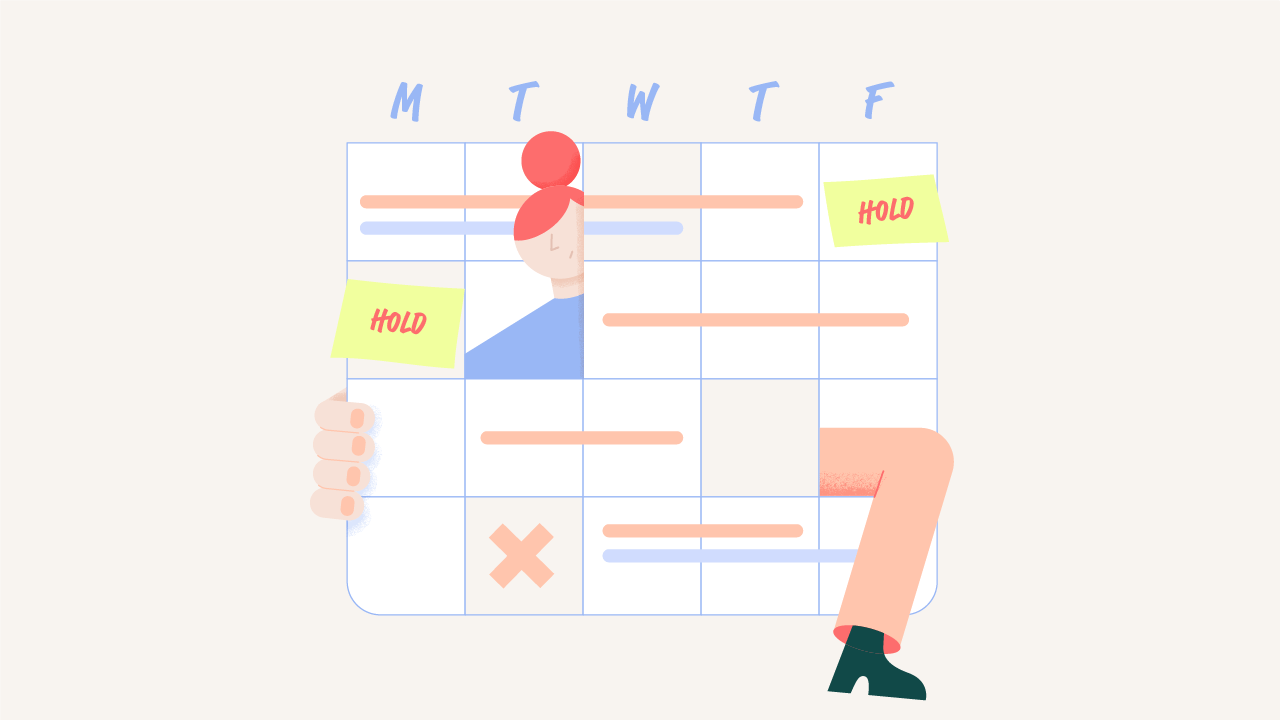
This work is constant, but never easy to schedule.
One week nothing. The next week five requests. Then it’s dead. Then whiplashes to chaos.
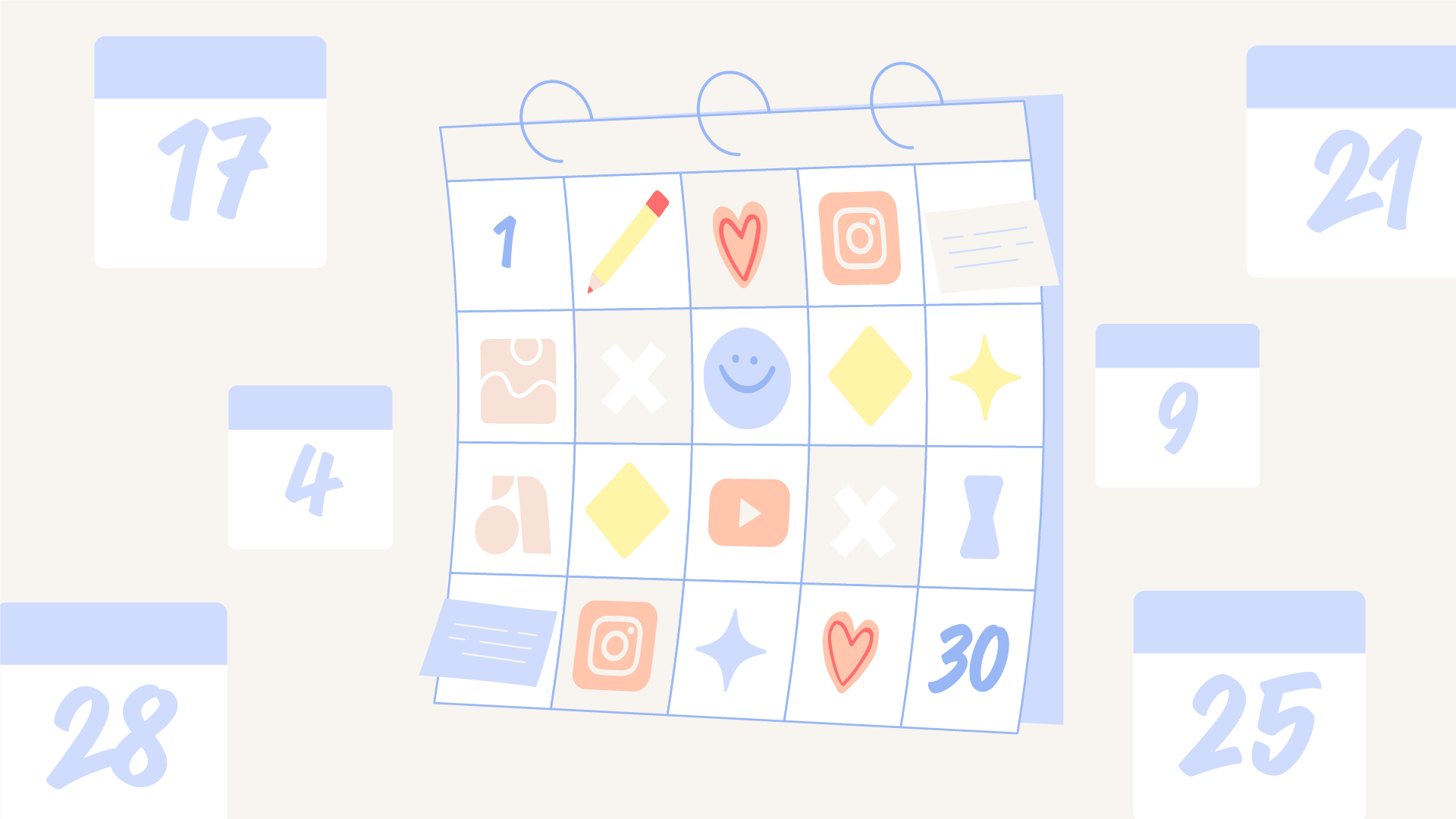
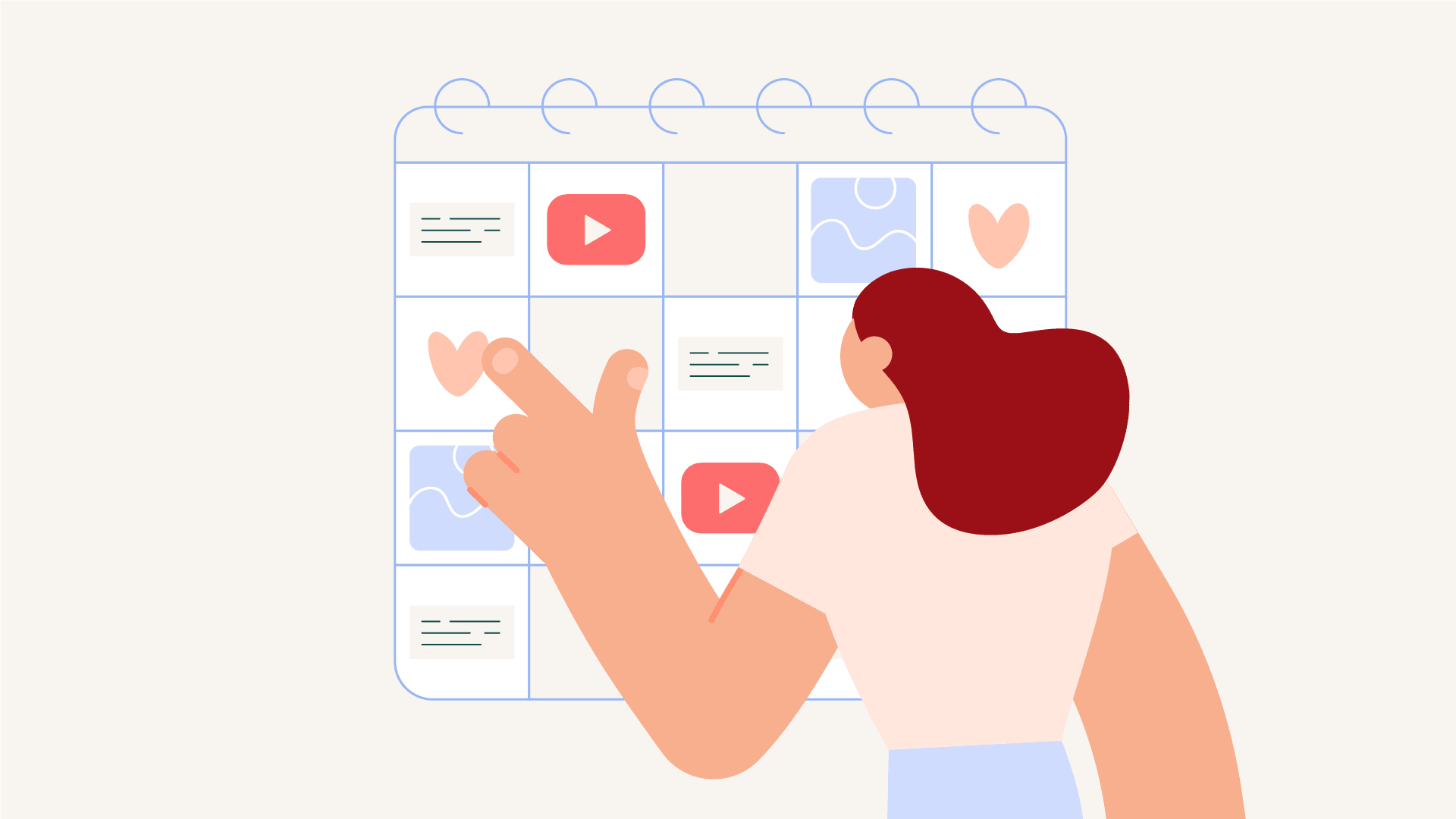
That’s the reality for content teams publishing regularly on Instagram and YouTube.
And it does not match the traditional way people try to hire a motion designer.
Day rates assume a few things.
But most content teams don’t work like this.
And it makes resourcing motion work impossible.
You hesitate to book a full day for a handful of Instagram captions or animated titles.
The designer can’t afford to hold time for unpredictable requests.
Small requests get delayed or skipped entirely.
The model just isn’t built for content creation.
This is exactly why the system behind motion support matters more than the role itself.
From the outside, it looks like they’re unreliable.
But it’s actually survival.
Freelance motion designers need full bookings to stay afloat.
They can’t realistically say yes to every small request.
Not because they don’t care.
Because they literally can’t build a stable business that way.
This is why teams feel stuck rotating through freelancers, even when they would rather rely on a consistent motion designer.
Ironically, the motion work that causes the most friction is the fastest to get done.
Simple animations that make content clearer and more watchable.
These are the things that improve retention and polish. But they are also the first things to get pushed because they feel small.
Over time, it becomes a missed branding opportunity.
And you end up using the same Capcut animations as everyone else.
The content of the video still works, but it never feels like you.
In my experience, teams are looking for a partner.
It’s a workflow problem, not a creative one.
A design subscription can be the answer to this problem.
A subscription shifts the question from
Can we even book you for this?
👇to
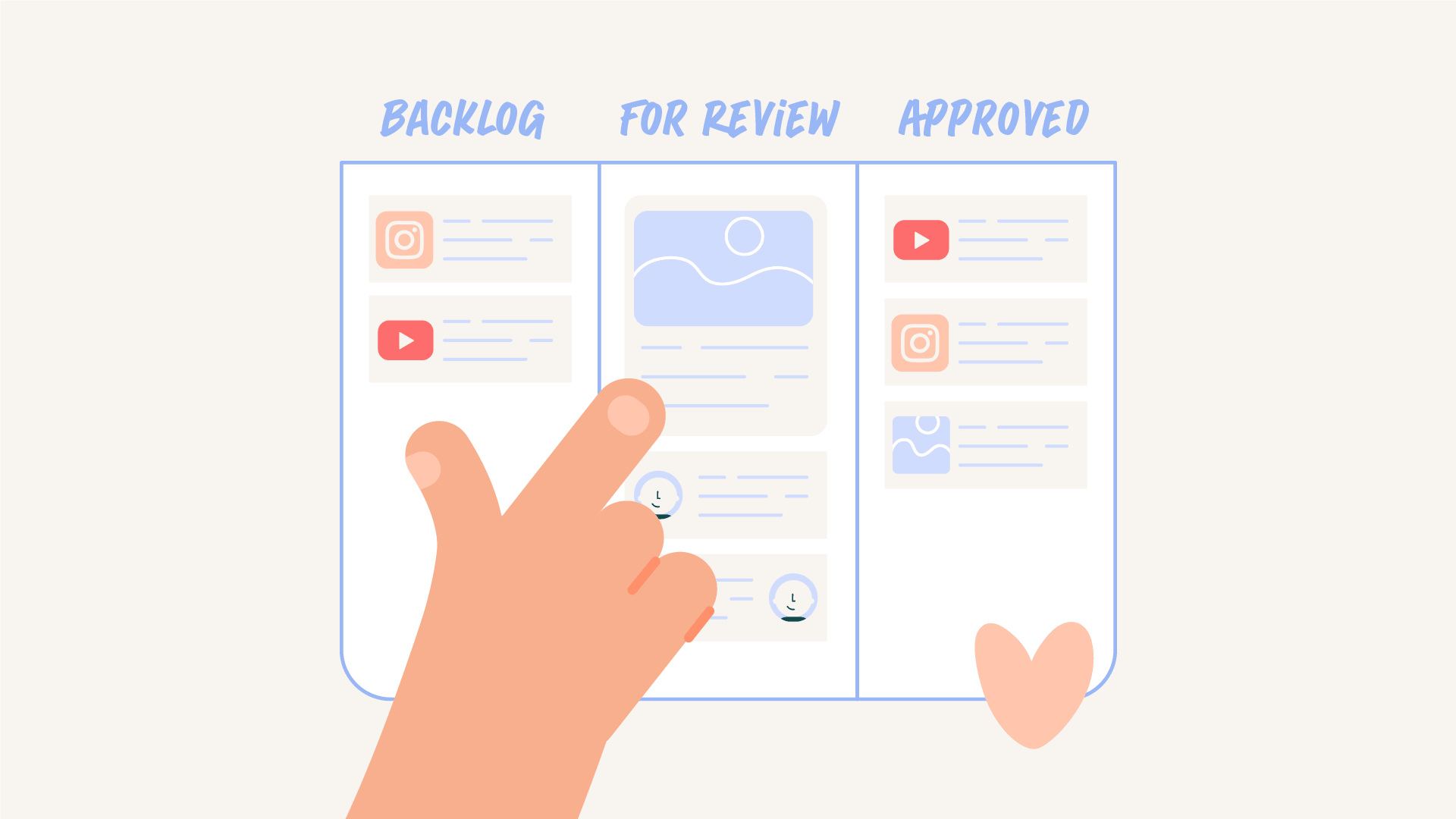
We’re sending this over to you for animation.
This one shift removes a lot of unnecessary tension around availability, rates, and revisions.
It turns your motion designer into a collaborator you can rely on.
I want to be clear about that.
Big brand campaigns, long form explainers, heavy 3D work, and large narrative projects still benefit from traditional scopes and timelines.
But for content driven teams who need motion graphics for social media, this old model simply doesn’t work.
After years of being the unavailable freelancer, I started looking for a better way to show up for the clients I love working with.
Not by starting a studio. 😬
But by rethinking the traditional freelance model.
And offering what my clients actually need.
A motion design subscription is my response to the chaos of content creation. The same high quality motion support, delivered in a way that fits how our teams work.
It is not a replacement for every motion need. And it is not the right fit for every team.
But for fast moving creator led teams, it can make motion design a seamless part of your workflow.
So that your content can perform even better (without losing your sanity).
Experienced motion designers are in extremely high demand. Many of the best freelancers stay fully booked through referrals or long term client relationships. For content teams trying to hire quickly, that often means the best talent simply isn’t available when you need them.
Most freelance motion designers work on a project basis. That means their availability fluctuates constantly. When one project runs long or another client extends a contract, their calendar fills up quickly. By the time a new team reaches out, the schedule is often already full.
Studios are typically structured around large projects with defined timelines and budgets. Content teams, on the other hand, often need smaller motion assets produced continuously. That mismatch makes studios expensive and inefficient for everyday content production.
The biggest challenge isn’t finding talented designers. It’s finding someone who is both skilled and consistently available. Many teams end up juggling multiple freelancers or waiting weeks for availability, which slows down production.
Some teams work with motion design subscriptions or long term retainers. These models prioritize ongoing collaboration instead of one off projects, which makes it easier to produce motion consistently without constantly searching for new freelancers.

Motion Partner