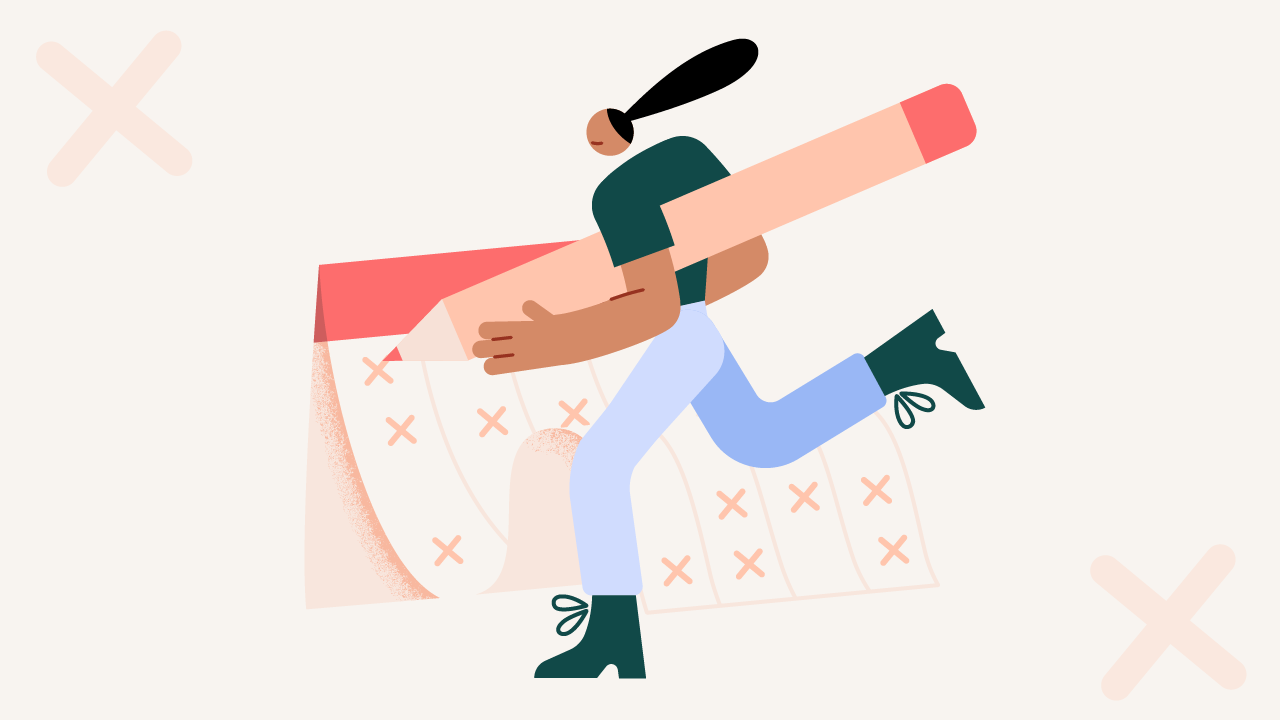

Most motion design work is still structured on a project basis.
A team needs animation, finds a freelancer or studio, and starts a new production cycle from scratch. Every time.
Content is continuous. Motion is treated like a one time event.
That mismatch is where most of the problems come from.


There are only a few obvious paths in motion design.
You freelance. You join a big company. Or you start a studio.
I tried two of the three. (And I’ll never give up my autonomy by going staff again 😉)
Freelancing gave me freedom. Big brands gave me prestige. But neither gave me what I was actually looking for long term.
And starting a studio never appealed to me.
So I built a third model.
At some point in every senior creative’s career, they think about starting a studio.
It seems to be the only way to scale. More clients. More revenue. More income.
But here’s what most people don’t talk about.
Studios are brutally difficult to run sustainably.
You’re responsible for payroll. Rent. Software. Insurance. Business development. Scope creep. Cash flow.
When work slows down, you don’t just lose income. You burn through overhead.
Even smart, talented studio owners shut down after a few years. Not because they aren’t good creatives. Or because they aren’t good at business.
But because the model itself is fragile.
Studios survive on constant deal flow and tight margins. One bad quarter can unravel everything.
I didn’t want to be responsible for other people’s livelihoods in that way. And I didn’t want my creative decisions shaped by overhead pressure.
I’ve freelanced for over a decade. But getting jobs in freelance motion design is inherently inefficient.
You need:
Even after you land the job, you’re brought in to execute.
Not to design the system or to influence the strategy.
Just to animate your piece and move on.
At a certain level of experience, that stops being satisfying.
I didn’t want to just animate shots. I wanted to shape systems.
There’s also a hard income ceiling with freelance.
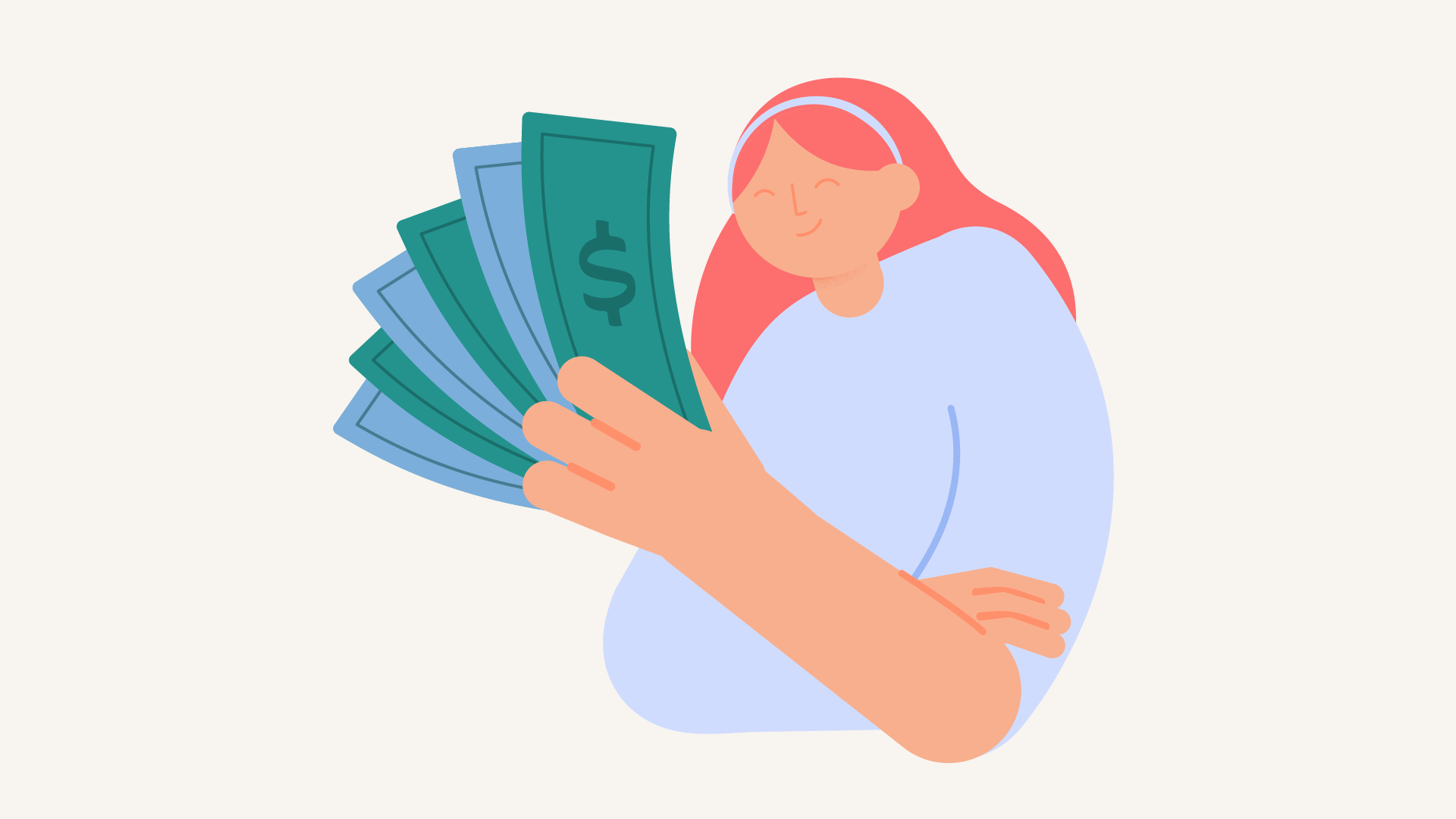
Day rates scale linearly. Even at $1200+ per day, there are only so many days in a year.
Some motion designers love constant variety. Every project different. Every team new.
I’ve always been the opposite. Which is why I've preferred working with repeat clients.
I love building workflows. Refining processes. Removing inefficiencies. Tweaking systems until they feel seamless.
It feels like a win when I enable myself to do more with the same energy.
And I love working with small, high output teams.
On a small team, your impact is visible. You’re not animating one shot inside a massive pipeline. You’re helping define the visual language across everything.
But small teams often can’t afford a high day rate consistently.
That’s when the idea clicked.
What if the pricing model changed the relationship?
Creator led brands and content teams had the same problem.
They didn’t need a full time motion designer, agency markups, or to fight for a freelancer’s availability.
They needed:
Freelance day rates and studios weren’t built for that.
So I built something else.
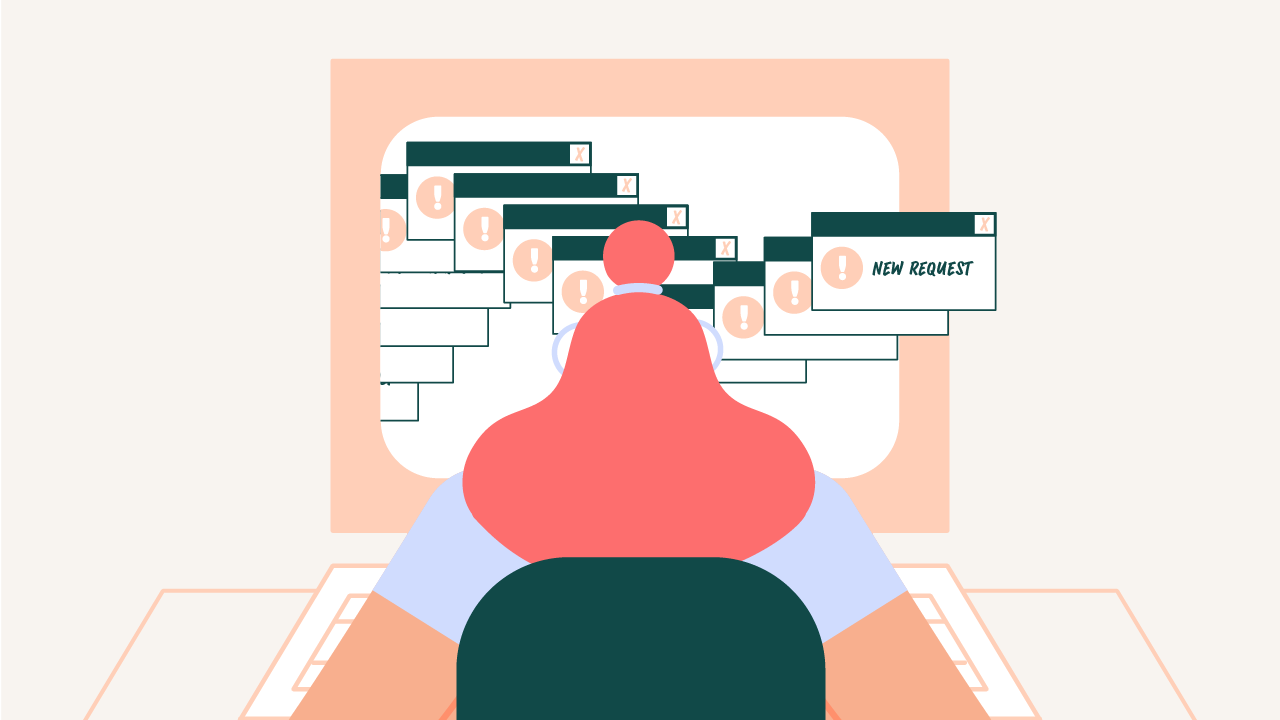
Motion Partner is structured to remove the back and forth.
There’s no scheduling. No resourcing. No staff overhead.
Instead:
You get access without committing to payroll.
You get senior thinking without agency layers.
And because the relationship is ongoing, I can build motion infrastructure that builds on itself… instead of starting from scratch every time.
This structure aligns with how I work best.
I get to embed with small, ambitious teams.
I get to influence brand systems, not just assets.
I get to see the impact on retention, sponsorships, sales, and growth.
And I don’t have to manage payroll.
I don’t have to chase scattered freelance bookings.
I get ownership while the teams get stability.
If you want a one off project, a subscription doesn’t make sense.
If you need a 20 person team and live production resources, a studio is the right move.
If you’re early and just validating ideas, scrappy freelance support might be enough.
But if you’re building a content engine and want to define your brand, you need embedded support.
Motion Partner exists because I didn’t want to just be a hired gun.
And I didn’t want the headaches of a studio owner.
I wanted to be an embedded creative partner.
Ownership over clout.
Systems over chaos.
Infrastructure over decoration.
That’s the business model behind Motion Partner.
And it’s built exactly the way I want to work.
Project based work resets the entire process each time. Brief, scope, timeline, and onboarding all repeat, which slows production and makes it harder to maintain consistency.
Content teams produce work continuously, not in isolated projects. When motion is treated as a one time event, it becomes difficult to keep up with the pace of content production.
Freelancers are typically booked on a project basis and their availability changes constantly. That makes it hard for teams to rely on them for consistent, ongoing output.
A subscription removes the need to restart the process for every request. Teams can submit work continuously and receive motion design as part of an ongoing workflow.
Subscriptions match the way content is produced. Instead of treating motion as a one time task, they support continuous output, which makes production more predictable and easier to manage.

Motion Partner