
Most motion designers follow a typical path like this. 👇
Staff → freelance → maybe start a studio someday
You take the jobs that come in. You learn what the project requires. You keep going.
And before you know it, you’ve built a career you never actually chose.
You didn’t design it. You reacted to it.


Most of us don’t sit down and decide what we want our career to look like.
We take the next opportunity. Then the next one. Then the next.
And your skillset randomly evolves as a result.
You learn Cinema 4D because a project needs it. You pick up Lottie or Rive for another. You pick up Figma for a product flow.
Over time, you become a great generalist.
But that doesn’t always translate to better opportunities or higher pay.
The designers with the most leverage are usually known for something specific.
They’re not just good. They’re synonymous with their specialty.
Most motion designers want to “work on cool stuff”.
But what the hell does that actually mean?
For a lot of people, it’s a shorthand for polished, big studio projects.
Big teams. Big brands. Big launches.
But that version of success comes with a very specific way of working.
Some people thrive in that environment. Others don’t.
The problem is… most people never stop to ask which one they are.
It’s not just about the work. It’s about how the work fits into your life.
For 12 years, I happily worked on day rates.
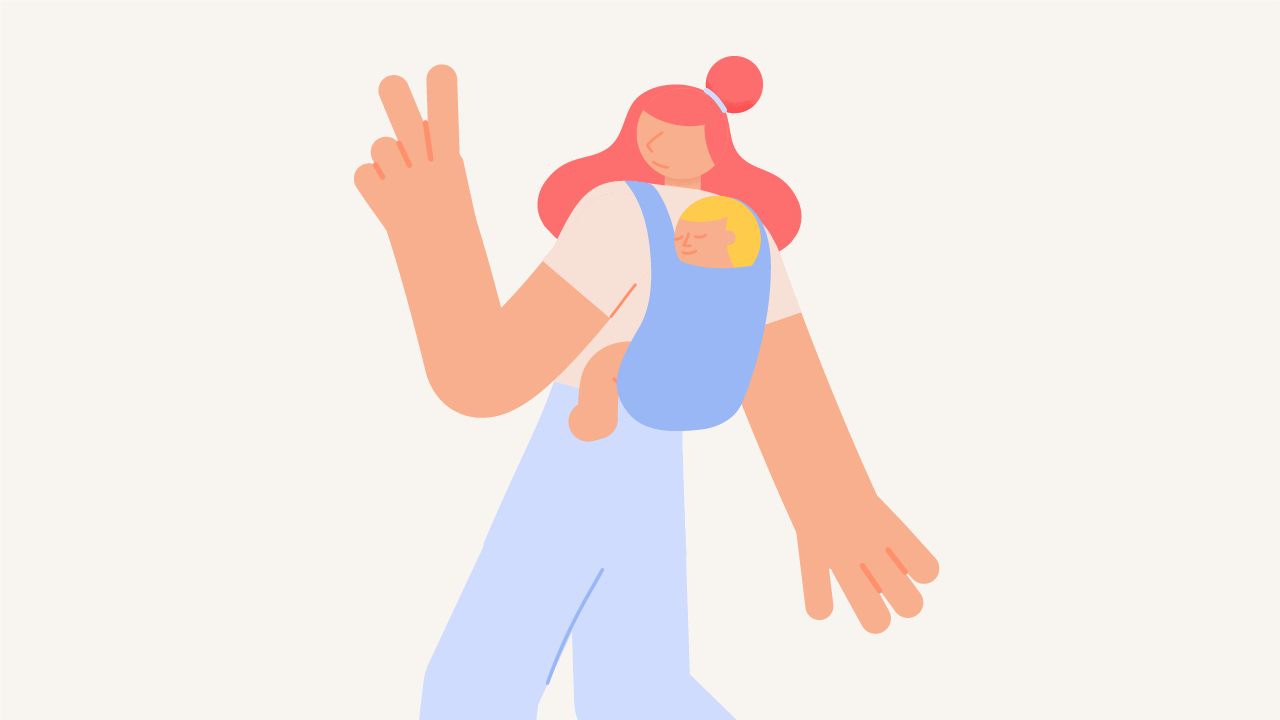
But once I had my daughter, my schedule changed completely.
I have school drop off. Pick up. A set window during the day to work. And time in the evening that I want to protect.
That standard 8 or 10 hour day with meetings & producer check-ins stopped making sense.
It wasn’t about lack of ambition. It was about alignment with how I want my life to look.
A lot of motion careers are built around a default structure.
But that structure doesn’t work for everyone.
There isn’t just one mountain to climb. There’s an entire range. You just don’t see it from the valley.
Here are real examples of how designers you know are building careers in completely different ways:
Most of these don’t follow the “traditional” path. But they’re all viable.
There’s a skill stacking trap a lot of motion designers fall into.
3D. Compositing. Design. Editing. Plugins. New tools.
You get better. More capable. More flexible.
But the market doesn’t reward you for knowing everything.
It rewards you for being clear with your offer.
When you try to do everything, it becomes harder to target the work you actually want.
Harder to position yourself and to show up in search results.
The more specific your value, the easier it is for people to find and hire you.
Generalists get considered. Specialists get picked.
There’s a default script most people follow.
Work more. Earn more. Keep running on the hamster wheel.
But you don’t have to follow that.
You can decide what success looks like based on:
That’s a different way of thinking about a career.
It’s not about chasing the biggest opportunity.
It’s about choosing the right ones.
Every path has tradeoffs.
Studios come with scale… and overhead.
Freelance comes with flexibility… and variability.
Subscriptions come with consistency… and structure.
There’s no perfect model.
But there is a career model that fits you better than the others.
Most designers aren’t stuck.
They’re just operating inside constraints they never chose.
Before you chase the next opportunity, it’s worth asking a few simple questions:
Not in five years. But right now. Today.
Because if you don’t define it, the industry will do it for you.
Most motion designers aren’t failing.
They’re just blindly following a path they never questioned.
And that path leads to a very specific version of success.
One that might not fit you at all.
The goal isn’t to just build a successful motion career.
It’s to build one that works for you.
Because the default path doesn’t care if it fits your life.
Most motion designers follow a similar path from staff roles to freelance work, and sometimes starting a studio. But this path is not the only option, and it doesn’t fit everyone.
Specialization can make it easier to stand out and get hired. Being known for a specific skill or style helps clients quickly understand your value.
Yes. Many designers build successful careers through subscriptions, digital products, content creation, education, and niche services.
Start by defining what you want your day to day work and lifestyle to look like. Then choose a path that aligns with those priorities instead of default industry expectations.
It depends on your preferences. Some designers thrive in structured environments, while others prefer flexibility, control, and smaller teams.

Motion Partner