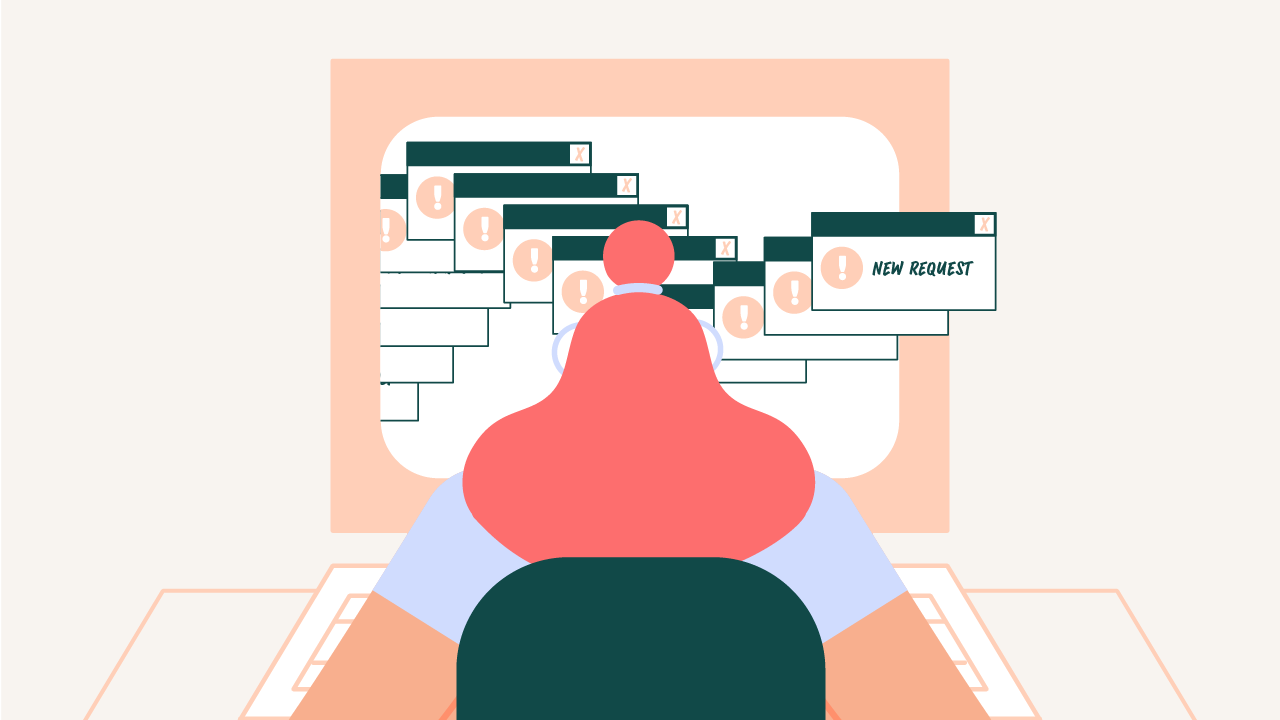

Most freelance motion designers eventually run into the same problem. There is a limit to how much they can earn.
At first it feels like a pricing issue. Raise your rates, get better clients, charge more per project. That works for a while.
Then it stops working. The real constraint is not pricing. It is that your income is still tied directly to your time.


Freelance motion design appears limitless from the outside.
You set your own rates. Choose your clients. Work when you want. As you gain experience, the work gets better and the pay goes up.
Until it doesn’t.
At a certain point, many motion designers hit a ceiling. Not because they aren’t talented. Not because they’re not hustling.
But because the math stops mathing.
These limits are baked into the way freelance motion work is structured.
If you’re charging a day rate, you’re selling time.
There are only so many billable days in a year.
Vacation. Sick days. Gaps between bookings. Recovery days after intense pushes.
Your income is tied to your calendar.
Rates don’t exist in a vacuum. They live inside budget approvals, industry norms, and client expectations.
Your rate has to survive what the market is willing to pay.
When I started freelance in 2014, junior to mid level animators were charging $500 to $700 a day.
A decade later, it’s the exact same rate.
After 15 years, the highest rate I’ve personally booked was $1,200/day.
That’s a good rate. But it’s also revealing.
Experience grows, but rates barely move.
Hourly and day rates look fair.
But they punish you for experience.
The better you get, the faster you work.
The faster you work, the less you bill.
You aren’t paid for judgment. Or pattern recognition. Or knowing what not to animate. You’re paid for time spent, not problems avoided.
The system rewards a butt in a chair… not mastery.
When you price by the hour or day, every job resets the same conversation.
Availability. Scope. Rate. Timeline.
There’s no upside for results. No bonus for speed. No value placed on experience.
You can raise your rate, but only until the market pushes back. After that, bookings get uneven and income less predictable.
That’s not freedom. That’s volatility.
Every project carries the same invisible workload.
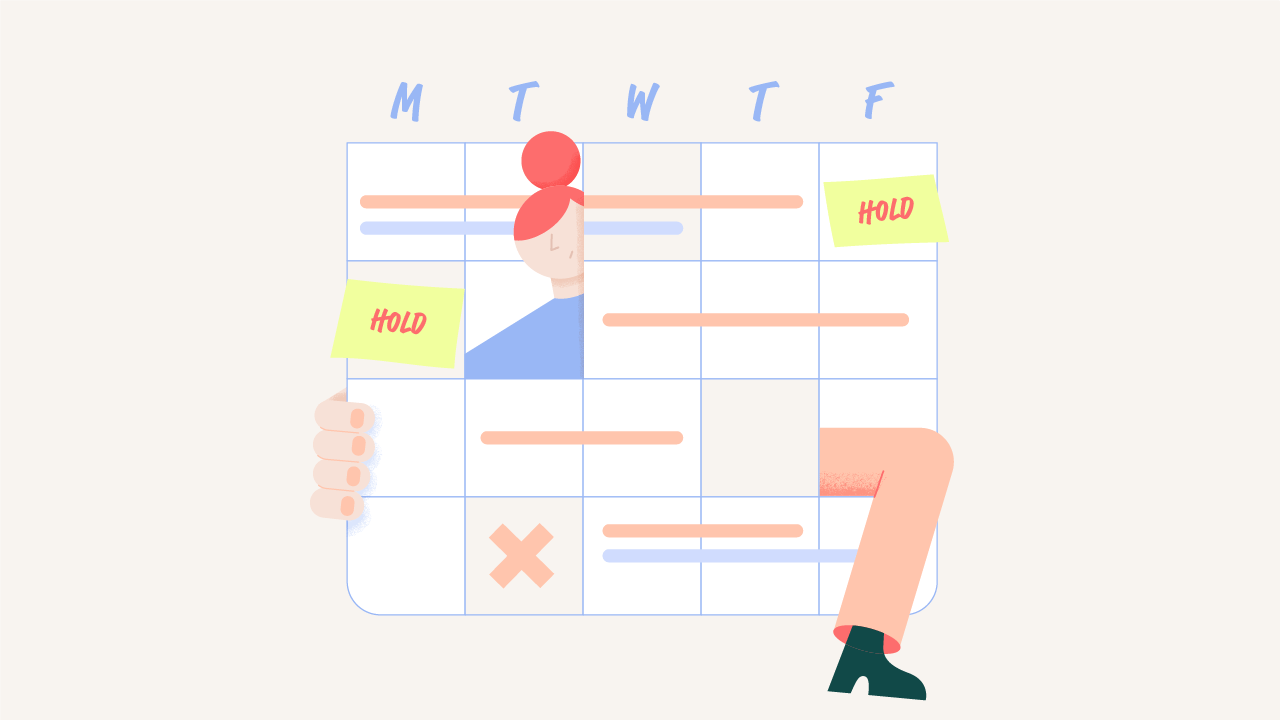
Emails. Holds. Scheduling. Asset handoffs. Time tracking. Invoicing. Tax forms. Referrals you send when you’re booked.
None of that time compounds. None of it scales.
All of this extra overhead reduces your hourly rate.
And it’s more of a time suck than most freelancers realize.
Raising your rates helps. But it just creates a new ceiling.
Eventually, you trade stability for fewer bookings.
Or better clients for longer gaps. Or higher stress for marginal gains.
You’re still selling time. And time will always run out.
The freelancers who break past that ceiling don’t optimize their time.
They change their pricing model.
This can look like:
Each approach has tradeoffs. But they all share one thing in common.
They stop asking clients to pay for your time and start charging for access, outcomes, or systems.
The income ceiling isn’t about talent or skills.
As long as income is tied to hours or days, growth will always stall.
The freelancers who break through don’t work more.
They change what they’re selling.
Freelance income is usually tied directly to time. There are only so many hours in a week which creates a natural limit on how much a designer can earn. Even with higher rates that ceiling still exists.
Raising rates can increase income for a period of time. It does not remove the core limitation of trading time for money. At some point the number of available working hours becomes the constraint.
Income varies widely based on experience clients and positioning. Many freelancers can earn strong incomes, but growth eventually slows when work is still tied to time and project availability.
Project based work creates inconsistency. Income depends on a steady flow of new projects which can lead to gaps between engagements and unpredictable revenue.
Designers can scale by moving toward models that are not tied strictly to time. Retainers, subscriptions, and repeatable service models allow income to grow without requiring more working hours.

Motion Partner