
Most motion designers spend their time thinking about the creative side of the work. Visual style, timing, pacing, and storytelling.
Producers are thinking about something very different. They are responsible for schedules, budgets, and getting projects across the finish line.
The battle between those priorities is where many motion projects go off rails. The best motion designers understand how producers think and structure their process in a way that makes production easier instead of harder.


Producers don’t want the most impressive animator in the room.
They want the motion designer they don’t have to babysit.
A producer’s job isn’t to unleash your creativity. It’s to keep timelines intact, budgets under control, and teams moving without surprises.
When given the choice, they’ll take a solid, reliable motion designer who communicates clearly and hits deadlines over a wildly talented one forgets to send updates or turns every deliverable into a fire drill.
Beautiful animation is great. Predictable animation is better.
This is what producers actually wish motion design looked like in practice.
Producers aren’t looking for endless options or open-ended exploration.
They want to know:
Motion that requires constant check ins, rescoping, or clarification adds risk to the schedule. Even beautiful work can feel like a liability if it’s unpredictable.
The best motion support is the kind you don’t have to follow up on.
Clear timelines. Clear deliverables. No guessing.
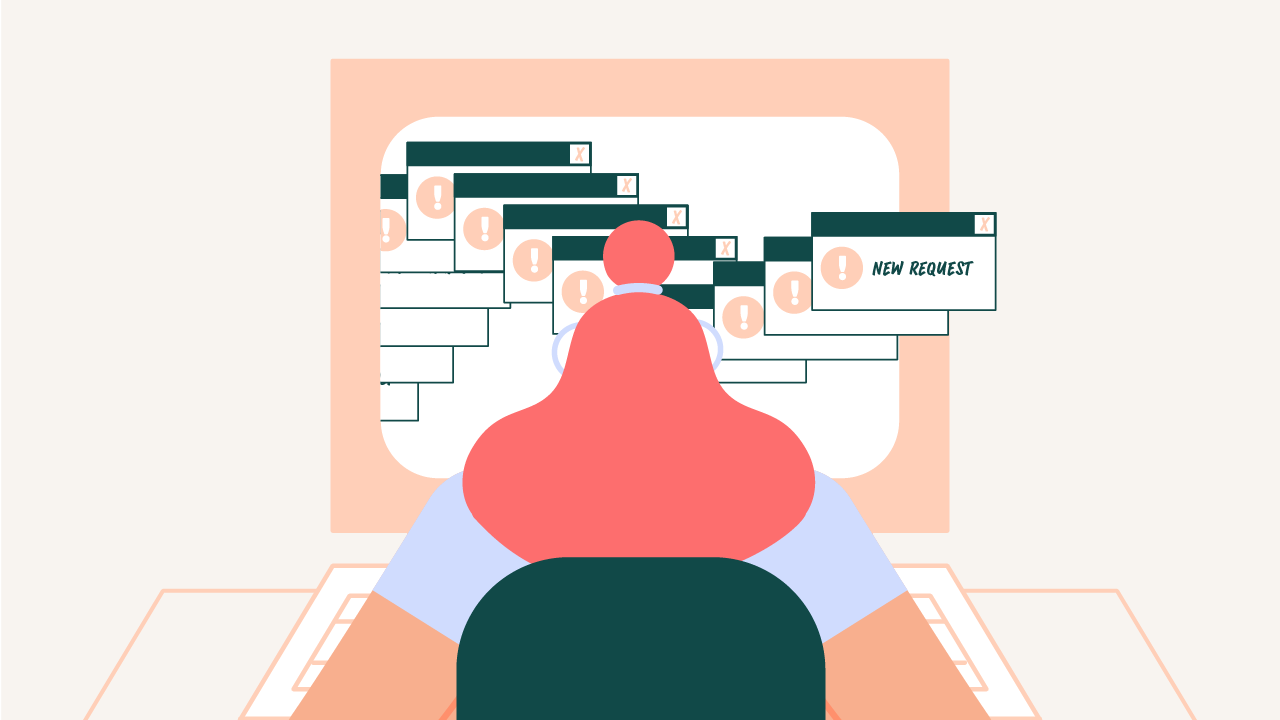
Producers don’t need more messages. They need clear communication.
What they love is when motion designers:
Updates that answer questions before they're asked.
Every unanswered email creates more work.
One of the fastest ways to earn a producer’s trust is handling specs like a professional adult.
Aspect ratios. Frame rates. File sizes. Platform requirements.
Producers shouldn’t have to double check these things or remind you what a deliverable is for. When motion designers proactively confirm specs or catch issues early, it removes an entire layer of oversight.
That’s when producers can relax.
Producers rehire the people who make their lives easier, not the ones who make the flashiest work once.
That usually comes down to very unsexy things. Doing what you said you’d do. Answering messages without disappearing for days. Sending invoices that don’t need follow ups. Letting them know ahead of time if you’re going to be unavailable instead of surprising them the day before.
None of this is glamorous. But all of it matters.
Producers are already making a thousand decisions a day.
What they don’t want is to be handed five directions when two options would do. Or vague questions that bounce decisions back onto them and slow everything down.
The motion designers they trust are decisive. They come in having thought things through. They ask focused questions, make confident calls, and present work that feels intentional instead of exploratory for the sake of it.
The less a producer has to manage your process, the more valuable you become.
Producers love working with motion designers who stay one step ahead.
That looks like checking in about upcoming deadlines before they become urgent. Flagging concerns early instead of waiting until something breaks. Suggesting reusable solutions when you notice the same requests coming up again.
When you start spotting patterns and optimizing for them, motion stops being a task they have to assign.
Surprises are what blow up schedules.
Producers don’t want to find out at the last minute that you’re unavailable. Or that a delivery will be late. Or that a spec was misunderstood. Or that a request turned out to be bigger than expected.
None of those things are deal breakers when they’re communicated early and often.
Silence is what creates stress.
Producers move around a lot. And many of them are freelancers themselves.
When they find motion designers who make their jobs easier, they want to bring them everywhere they go.
That’s not about loyalty. It’s about survival.
Resourcing the best & most reliable creatives is how they provide value to the studios they work with.
If working with you feels calm, clear, and predictable, you become part of their referral network.
If you want steady work, repeat bookings, and referrals that follow you from project to project, creative skill isn’t enough on its own.
How you work matters just as much.
Producers don’t need more brilliance.
They need someone who keeps things moving, communicates clearly, and doesn’t create extra problems.
When a motion designer shows up like that, they stop feeling like someone they have to manage…
And starts feeling like someone they can trust.
Motion design work often evolves during production which can make timelines feel unpredictable. Producers are responsible for schedules and budgets so changes to scope or pacing can create pressure across the entire project.
Most producers want clarity and reliability. Clear communication about scope timelines and revision expectations helps them plan the rest of the production process with confidence.
Motion designers can help by being transparent about timelines and by structuring their process clearly. When producers understand what stage the project is in and what decisions are required next production tends to run more smoothly.
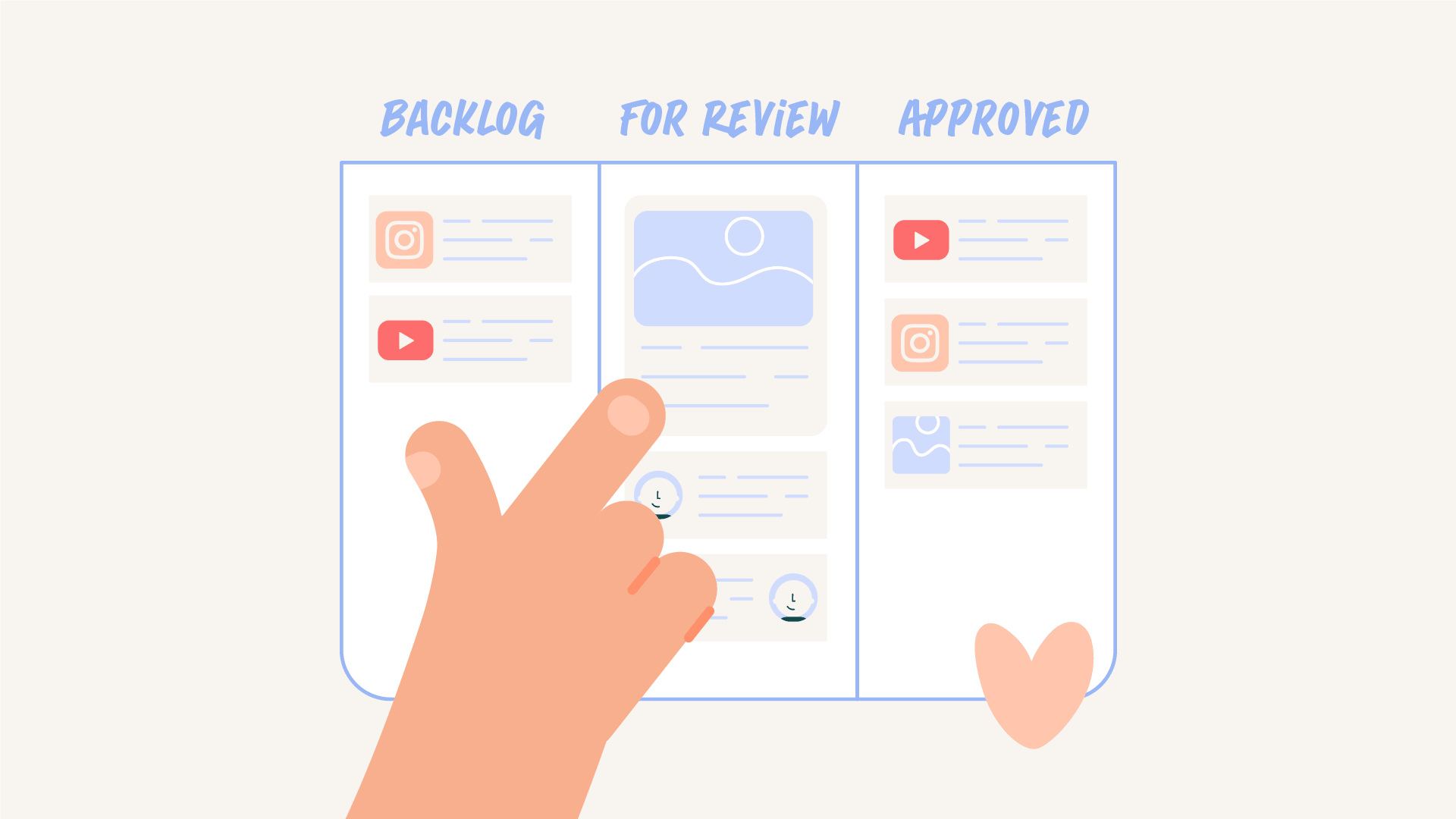
Animation involves many creative decisions that unfold over time. Structured review stages help producers gather feedback efficiently and prevent scattered revision requests that can slow down the project.
Motion systems reduce the amount of custom animation required for each project. When animation behaviors are already defined teams can produce motion more efficiently and producers can schedule work with greater confidence.

Motion Partner