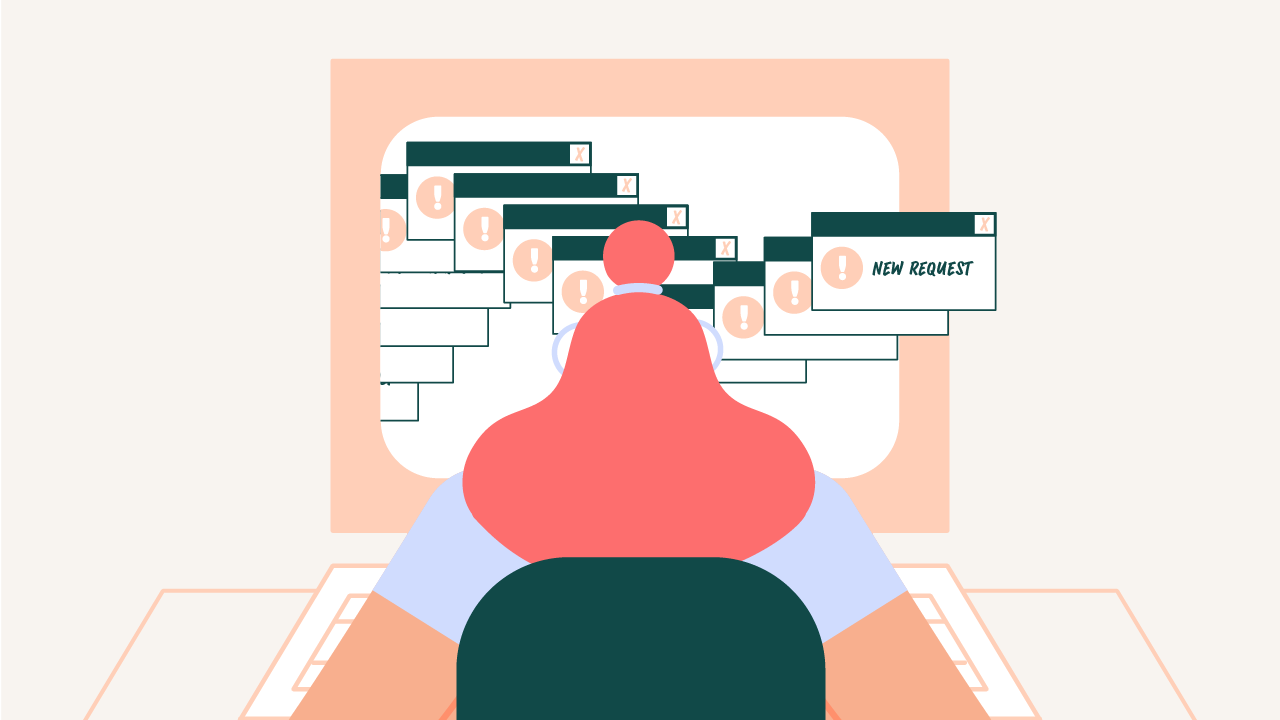
Motion design pricing is confusing for a lot of teams. Quotes vary wildly, timelines feel unpredictable, and the final cost of a project is often hard to estimate.
The problem is not that motion designers are charging too much. The real issue is that most pricing models were designed for large studio projects rather than the continuous content production many teams now need.
When the pricing structure does not match the workflow, both clients and designers end up frustrated.


Video now makes up more than 80% of internet traffic. And the performance of that video is often decided by the smallest elements around it, not the big cinematic moments.
A caption tweak. A thumbnail adjustment. It doesn’t feel important.
That’s why these requests show up constantly. And why the traditional freelance model struggles so much to support them.
Type animations aren’t decorative.
Roughly 85% of people watch Reels and TikToks with the sound off. Animated captions are the message whether teams plan for it or not.
Thumbnails aren’t optional either. Over 90% of top performing Youtube videos use custom thumbnail designs, and a strong one can increase click through rates dramatically.
Yet they’re the first things teams hesitate to resource or do themselves.
Small, recurring requests only work when they’re supported by a system designed to absorb them.
The problem isn’t demand. It’s competing projects.
Booking a motion designer for a handful of captions or a title animation feels impossible when they price around full days or on a project basis.
This makes teams hesitate. They soften the ask.
“Would this be worth your time?”
“I know you’re busy, but could you…”
It gets delayed. Or skipped. Not because it doesn’t matter, but because the process makes it feel too inconvenient.
Hourly pricing looks fair on the surface.
But at some point, experience becomes a liability.
The better you are, the less you earn per task.
You aren’t incentivized to work faster.
Timelines stretch. Hours get inflated.
Because the system rewards slowness over mastery.
The creative might take an hour. The surrounding work doesn’t shrink.
Kickoff meetings, asset handoffs, review emails, time tracking, and invoicing.
So these requests become side projects. Nights. Weekends. Gaps between larger bookings.
That’s not where the best work thrives.
When motion feels too hard to book, teams adapt.
Editors grab templates. Designers drop in static type with fade ons. Social teams reuse the same Capcut caption styles everyone else is using.
Nothing is technically wrong. But it’s a bandaid, instead of a branded decision.
Content starts to look interchangeable. Motion stops reinforcing brand identity and starts flattening it.
The irony is that these small motion touches often have an outsized impact on clarity, retention, and polish. They pricing models just don’t support them.
Teams invest in an animation toolkit, hoping it will cover everything. It never does.
Formats change. Trends emerge. Content ideas don’t stay inside the boxes we designed.
Eventually the toolkit becomes restrictive. And teams are back to needing motion support that doesn’t fit neatly into a project based engagement.
Traditional freelance pricing assumes motion work shows up neatly, gets scoped once, and disappears when it’s done.
Content teams don’t work like that.
The work is ongoing. Uneven. Reactive.
Small motion requests don’t break the system.
They reveal that it’s already broken.
Motion design projects vary widely in complexity, timeline, and creative scope. Two animations that appear similar can require very different amounts of work. This makes pricing difficult to standardize across projects.
Animation is a multi step production process that includes concepts, design, animation, and revisions. As projects evolve new creative decisions often emerge which can expand the timeline and increase the total cost.
Most motion designers use one of three models. Project pricing, day rates, or ongoing retainers. Each model works well in certain situations but can create friction when the pricing structure does not match the client’s workflow.
Animation timelines depend on both creative decisions and technical complexity. Changes to design, pacing, or messaging can significantly affect the amount of animation work required and makes early estimates difficult.
For teams that need motion frequently, ongoing service models often work better than project based pricing. Retainers and subscription models provide more predictable access to motion support and make it easier to produce animation consistently.

Motion Partner