
Most teams overthink what it’s like to bring on a motion designer.
They assume there’s going to be a long onboarding process, kickoff calls, timelines, contracts… a whole ramp up before anything actually gets done.
That’s not how my motion subscription works.
The goal of the model is simple. You start getting work done immediately, and everything else builds from there.


As soon as you subscribe, you get access to your client portal.
From there, you can submit your first request right away.
Most clients start with something time sensitive. A video that needs captions, a post that needs to go out, something that’s already designed and just needs animation.
You don’t need to overthink the request either. You can:
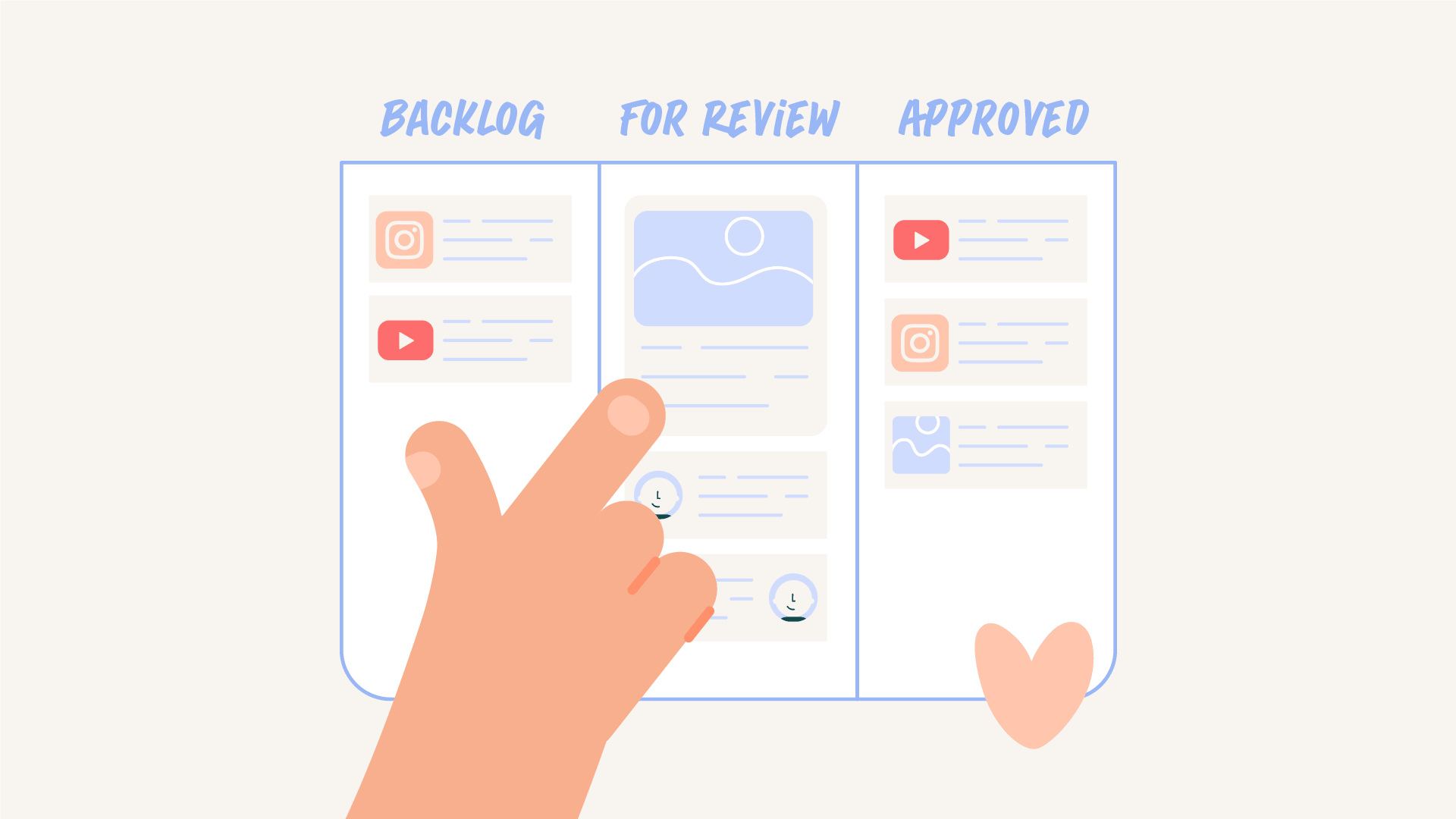
Once it’s in, I move it into Active on your client portal and get to work.
Within 24-48 hours, you’ll get your first update.
What that looks like depends on the request. If it’s a short animation, you might get a full first pass render. If it’s something larger, I’ll send design frames or partial builds so you can react early.
Everything is posted directly to your portal for review.
You can leave comments right there, which triggers an email so nothing gets missed. For longer pieces, I’ll send a Frame.io link for more detailed feedback.
No meetings. No scheduling. No waiting around for availability.
Just work moving forward.
By the second week, things start to feel more natural.
You begin submitting requests more consistently, and if you have a backlog of work, you can start slotting those in as new requests.
On my side, I’m starting to understand how your team operates.
If you have editors or designers, I’m paying attention to how work gets handed off. What tools you’re using. Where motion has slowed things down before.
This is where the shift starts.
It’s no longer just execution. It’s integration.
Once I understand your workflow, I start looking for opportunities to make things easier.
Not in a huge overhaul of how you work. But with small, practical improvements that compound over time.
Things like:
These aren’t big, scoped projects. They’re tools that make your team faster.
And once they’re in place, everything starts to feel more cohesive.
By this point, the biggest shift is speed.
You’re no longer wondering who to hire or how to get something done. You just submit the request and know it’s being handled.
You also start to see what’s possible.
Clients usually realize they can:
And on my end, I’m not just reacting anymore. I’m starting to anticipate what you might need next and suggesting ways to improve what you’re already doing.
Some teams come in with a very specific push.
A launch, a campaign, a new content initiative. They use the subscription heavily for a period of time, then pause once that push is done.
Others have an ongoing content engine.
They’re publishing consistently, across multiple platforms, and need steady support to keep everything moving.
Both work.
This model flexes depending on what you need.
There are a few things that tend to surprise people in the first month.
The first is how fast everything moves. Without contracts, scheduling, and rescoping, there’s very little standing in the way of actually getting work done.
The second is how much gets improved along the way. Not because we’re stopping to rethink everything, but because small changes start stacking up.
And if we haven’t worked together before, there’s usually a moment where clients realize… I’m faster than they expected. And I can do a lot of things. 🤭
It starts to feel like part of your team.
You’re not thinking about resourcing anymore. You’re not scrambling when something comes in last minute.
You just send the request and move on with your day.
Your content starts to look more consistent. Your team has better tools. Motion is no longer the thing that slows you down.
It’s just… taken care of.
And that’s the goal.
You can submit your first request immediately. Work begins right away, and you’ll typically receive your first update within 24-48 hours depending on the request.
You can type out your request, drop a Loom, or share files and references. The goal is to make it easy to communicate what you need without a rigid process.
Most requests are turned around within 24-48 hours. Smaller tasks may move faster, while larger requests are broken into reviewable pieces so you can give feedback early.
Feedback is handled asynchronously through your client portal. You can leave comments directly on the request, and you’ll be notified as soon as updates are ready for review.
Most teams start seeing immediate progress within the first week. By the end of the first 30 days, workflows are smoother, output is more consistent, and motion is fully integrated into the content process.

Motion Partner