Burnout in motion design is often framed as a overwork problem.
Too many deadlines, revisions, and late nights.
But burnout in freelance motion design is often caused by instability in the industry itself.
The constant context switching, uncertain schedules, and pressure of always needing to line up the next booking while surviving the current one.
Traditional freelance creates a cycle where your income, calendar, creative energy, and nervous system all feel permanently unstable.
And eventually, that catches up to you.


Motion designers love to romanticize freelance.
High day rates. Freedom. Flexibility. Cool studios. Big brands.
And to be fair, there are genuinely amazing parts of it. Freelancing gave me opportunities I never would have had otherwise.
But beneath the surface, freelance is incredibly unstable.
Most freelance projects only last somewhere between two weeks and two months. Which means you are constantly trying to line up what comes next before the current project even finishes.
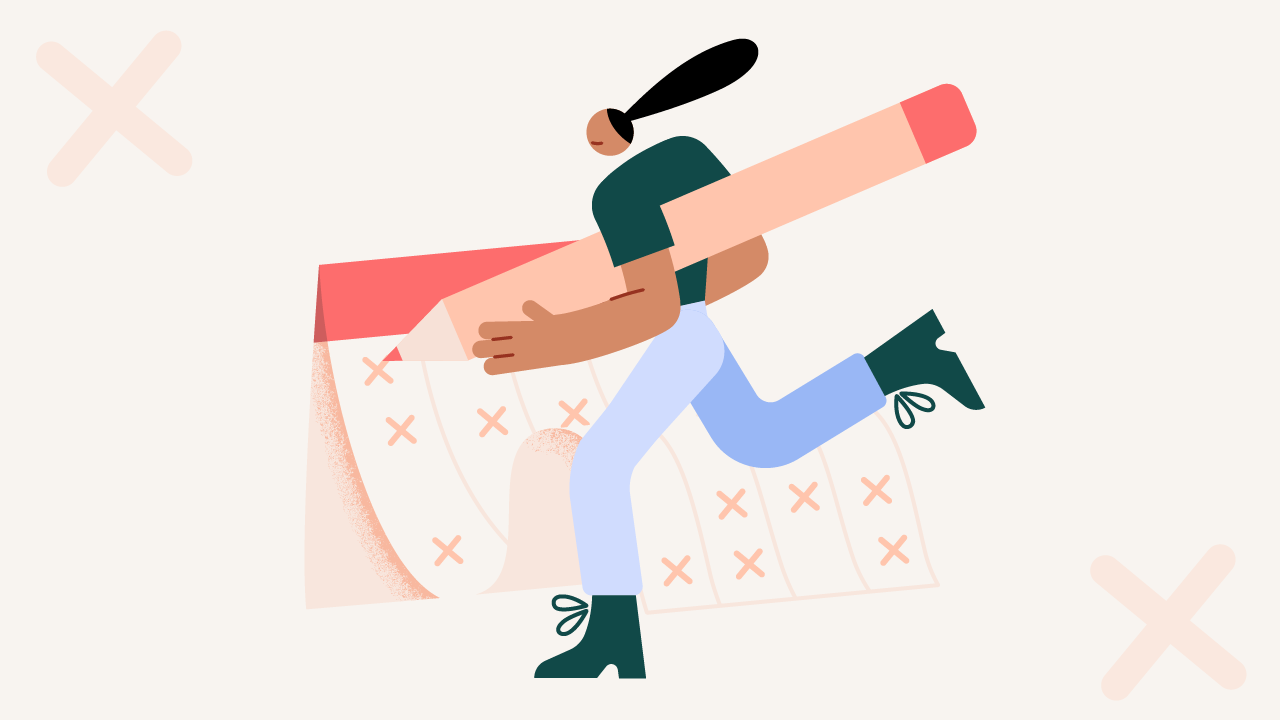
Your calendar becomes a giant moving puzzle.
And your entire life starts revolving around trying to make the pieces line up.
Every new freelance booking feels like the first day of school.
New people to meet. New personalities. New Slack channels. New workflows. New expectations.
You want to make a strong first impression, while simultaneously trying to ramp up on the project itself. You’re learning the brand, the client, the ask, the production pipeline, the creative politics, and where all the files live.
All while trying to prove you belong there.
Then just as you finally settle into a rhythm, the project ends and the cycle starts all over again somewhere else.
That constant social and creative recalibration becomes draining over time.
A huge amount of freelance energy goes into managing your availability.
Producers constantly reach out asking if you’re free for potential projects, but timelines shift endlessly based on awards, internal approvals, budgets, or changing scopes.
The ask grows. Then shrinks. Then moves two weeks later.
Meanwhile, multiple holds overlap and you’re trying to find the magic window where everything somehow fits together without losing income.
Sometimes the project you’re most excited about creatively doesn’t align with the block of time you need to fill financially.
So you take the safer booking instead.
Over time, your schedule stops feeling like something you control.
Which is kind of the whole point of freelance.
Holds are one of the strangest parts of freelance motion culture.
You are expected to mentally reserve time for work that may never actually materialize, while turning down other opportunities because you’re theoretically committed.
It serves no real benefit to the freelancer.
Only the studio.
And emotionally, holds create their own strange form of burnout. Sometimes you start creatively buzzing about a project you’re excited for. You imagine the team, the visuals, the possibilities.
Then the job disappears.
The graveyard of projects that never happened can be demoralizing.
Most freelance motion designers are not building projects from the ground up.
They’re entering pipelines already in progress.
The work has often already been pitched, designed, and partially developed before you arrive. You are brought in to execute under compressed timelines that were created without your input.
Sometimes you love the direction.
Sometimes you don’t.
Sometimes the creative expectations push right up against the edge of your technical abilities, which creates its own anxiety as you try to hit the mark.
And because you are often moving quickly from project to project, there isn’t always enough time to develop real ownership over the work itself.
Traditional production timelines can create huge gaps between execution and client feedback.
You might spend a week building out animation, only for the client to react to it for the very first time deep into the process.
And if it’s not the direction they imagined, suddenly massive changes appear after days of work have already been invested.
That kind of delayed feedback creates a lot of stress.
One thing I’ve appreciated about my subscription style support is the constant feedback loop. Smaller check ins every 24-48 hours make it much easier to calibrate direction before too much time gets invested into the wrong thing.
Over time, I stopped caring as deeply about the work itself.
Not because I stopped loving to keyframe. But because constant production pressure slowly changed my relationship to creativity.
I stopped pushing back as much creatively. I stopped proposing alternate solutions. If the client or creative director wanted something handled a certain way, I was more likely to just execute it and move on.
Push the buttons. Deliver the work. Get to the next booking.
At a certain point, survival and efficiency start replacing curiosity.
And when you spend all day animating for clients, it becomes much harder to find energy for personal projects, experimentation, and learning new things.
Motion design can take a toll on you physically too.
We spend enormous amounts of time sitting stationary.
Long hours. Minimal movement. Constant screen exposure. High mental focus for extended stretches of time.
A lot of us are not exercising enough to counterbalance being locked into a chair for ten or more hours a day.
And when work stretches late into the evening, it becomes difficult to shut your brain off afterward. Your nervous system stays activated long after the project ends for the day.
You want a little personal time after work, even if it comes at the expense of sleep.
Then the cycle repeats the next morning.
One of the strangest things about freelance is that both too much work and too little work create anxiety.
When bookings are flowing, you become afraid to stop.
You keep delaying vacations because you don’t know if the momentum will disappear once you step away.
But when things get slow, panic starts creeping in from the opposite direction.
Are the reach outs gone?
Are you still relevant?
Will you be able to pay your bills?
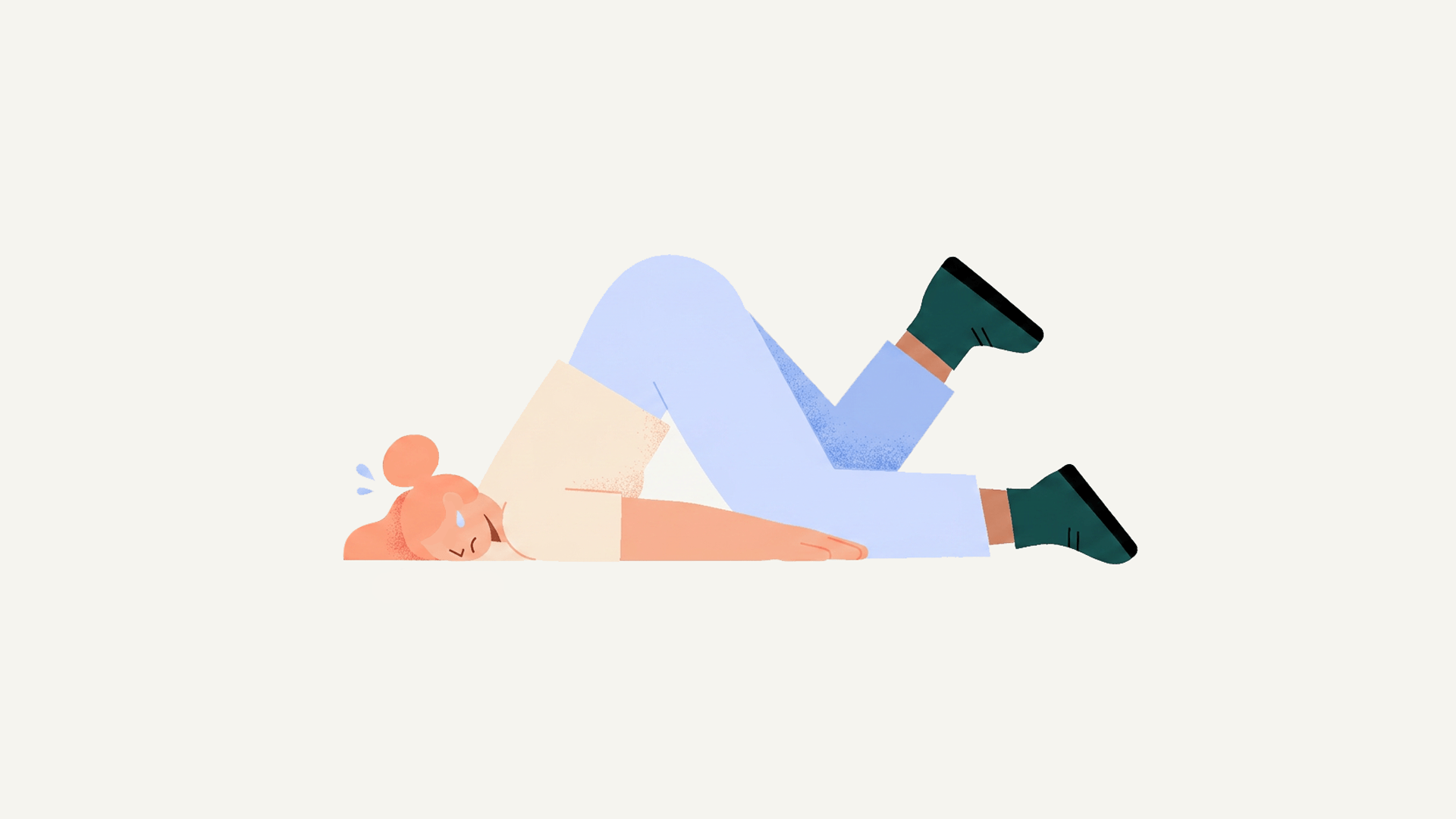
The emotional whiplash between overwork and uncertainty becomes exhausting over time.
Having a kid made a lot of these structural problems feel even more obvious to me.
The traditional studio schedule does not care that you have school pickup at 3pm.
The ten hour workday still expects the same level of output, flexibility, and responsiveness regardless of what’s happening outside of work.
And when you become a parent, the constant unpredictability of freelance starts colliding directly with real life logistics.
You still feel pressure to work as much as you did before.
But the reality of your time changes completely.
For a while, I thought burnout meant I simply needed better boundaries.
I raised my rates. I stopped taking holds. I became more selective with projects. I said no more often.
And honestly, those things helped.
But even with better boundaries, I would finish long multi month bookings feeling completely depleted.
That’s when I started realizing the problem wasn’t entirely me.
It was the structure of freelance itself.
The biggest shift in my career came when I stopped optimizing around bookings and started optimizing for sustainability.
That’s ultimately what led me to launch my motion design subscription.
I wanted more predictable income, asynchronous communication, and less resourcing anxiety.
Having more stability has made me more creative again.
I have more energy for personal projects, marketing, learning new skills, and taking care of my health.
I wasn’t failing at freelance.
I was trying to build a sustainable life on top of an unstable system.
Burnout in motion design is often caused by unstable schedules, constant context switching, long hours, resourcing anxiety, and the pressure of always needing to secure the next booking.
It can be, but many freelancers struggle with unpredictable schedules, overlapping holds, inconsistent income, and difficulty disconnecting from work. Many motion designers eventually search for more sustainable workflows or business models.
A hold is when a studio or producer asks a freelancer to reserve availability for a potential project that may or may not happen. Holds can create scheduling conflicts and uncertainty for freelancers.
Most freelance motion projects are short term, often lasting only a few weeks or months. Freelancers constantly need to manage bookings, networking, scheduling, and self promotion alongside the creative work itself.
More sustainable workflows, clearer boundaries, predictable income, asynchronous communication, and reducing constant resourcing pressure can all help reduce burnout over time.

Motion Partner