
Most clients think they’re just hiring someone to animate.
But the longer I’ve worked in motion, the more I’ve realized that animation itself is only one small part of the value.
The best motion designers aren’t just making things move.


Good animation is expected.
Once you’re working professionally, especially with fast moving teams, the differentiator becomes everything surrounding the execution itself.
Things like communication, production awareness, systems thinking, and adaptability start to matter just as much as the visuals.
That’s what separates someone who can animate from someone teams genuinely rely on.
One of the biggest hidden value adds in motion design is understanding technical delivery requirements before they become an issue.
Clients often don’t know exactly what specs they need, and honestly, they shouldn’t have to. Part of being experienced is recognizing those needs automatically.
A strong motion designer already understands:
That kind of knowledge prevents delays, reduces confusion, and keeps projects moving smoothly.
One thing clients consistently respond well to is clarity.
If someone comes to me needing a logo animation, I’m already thinking several steps ahead. Motion references, storyboards, motion tests, delivery formats, and ways the final asset can be repurposed for presentations, websites, or social content.
Even if the client doesn’t fully understand the production process, they can feel that there’s a system behind it.
This is where people become true creative partners.
Sometimes the most valuable contribution isn’t the animation itself. It’s recognizing opportunities the client hasn’t noticed yet.
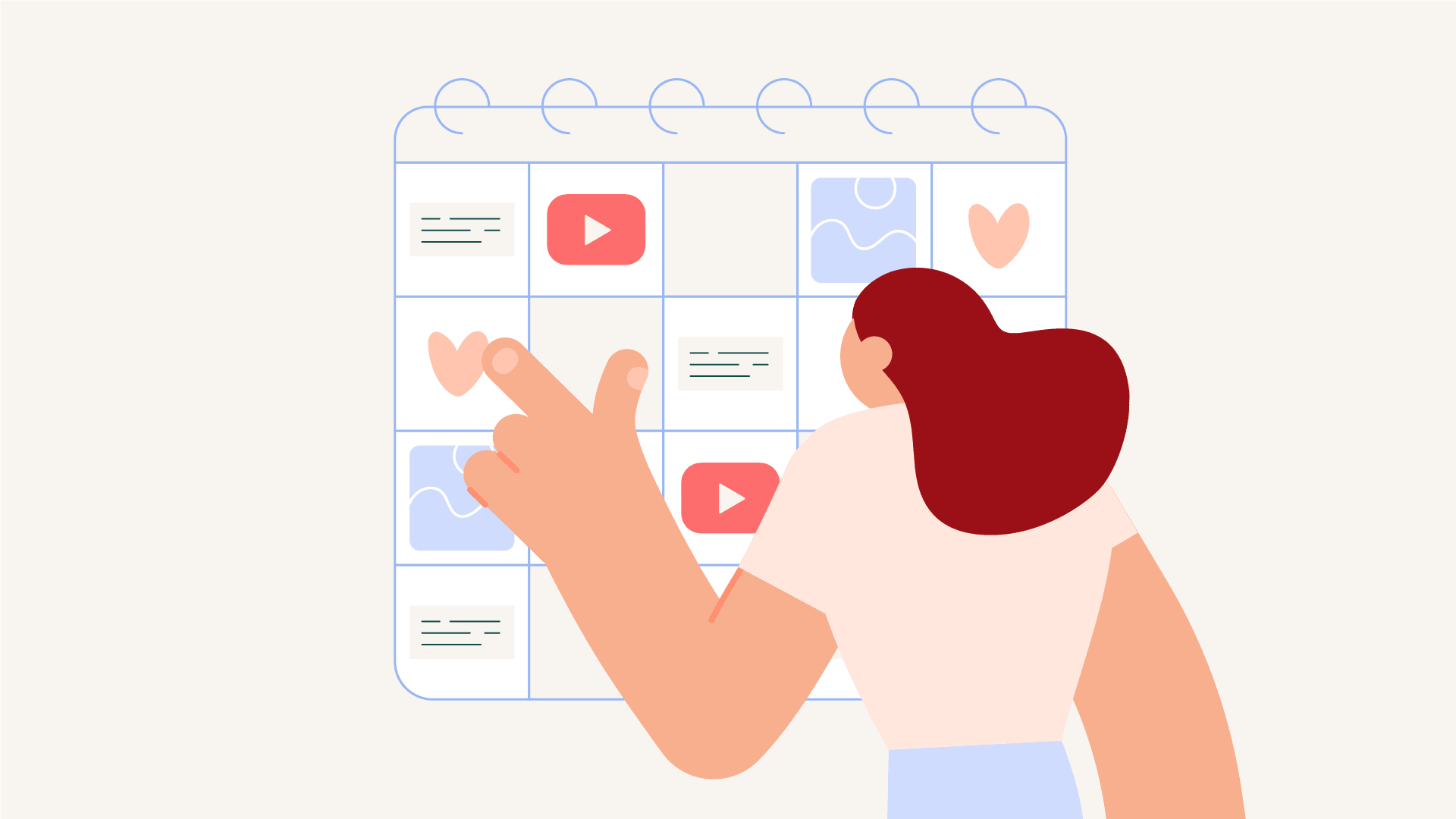
Maybe their thumbnails are inconsistent. Maybe their editor is manually rebuilding the same captions every week. Maybe there’s a reusable motion system that could save hours across future content.
When you’ve worked inside enough pipelines, you start seeing operational inefficiencies everywhere.
And fixing those problems creates much more long term value than a single animation ever could.
One of the biggest differences between junior and senior motion designers is pipeline familiarity.
A senior designer has usually worked across enough environments to understand how different teams operate. Product teams may hand off Figma files. VFX teams may need precise naming conventions and frame handles. Web developers may need lightweight assets or Lottie exports.
Every team works differently.
The more environments you’ve worked inside, the easier it becomes to adapt quickly without slowing everyone else down.
A lot of clients don’t actually know how to direct motion.
So part of the job becomes guiding the process clearly and reducing uncertainty as much as possible.
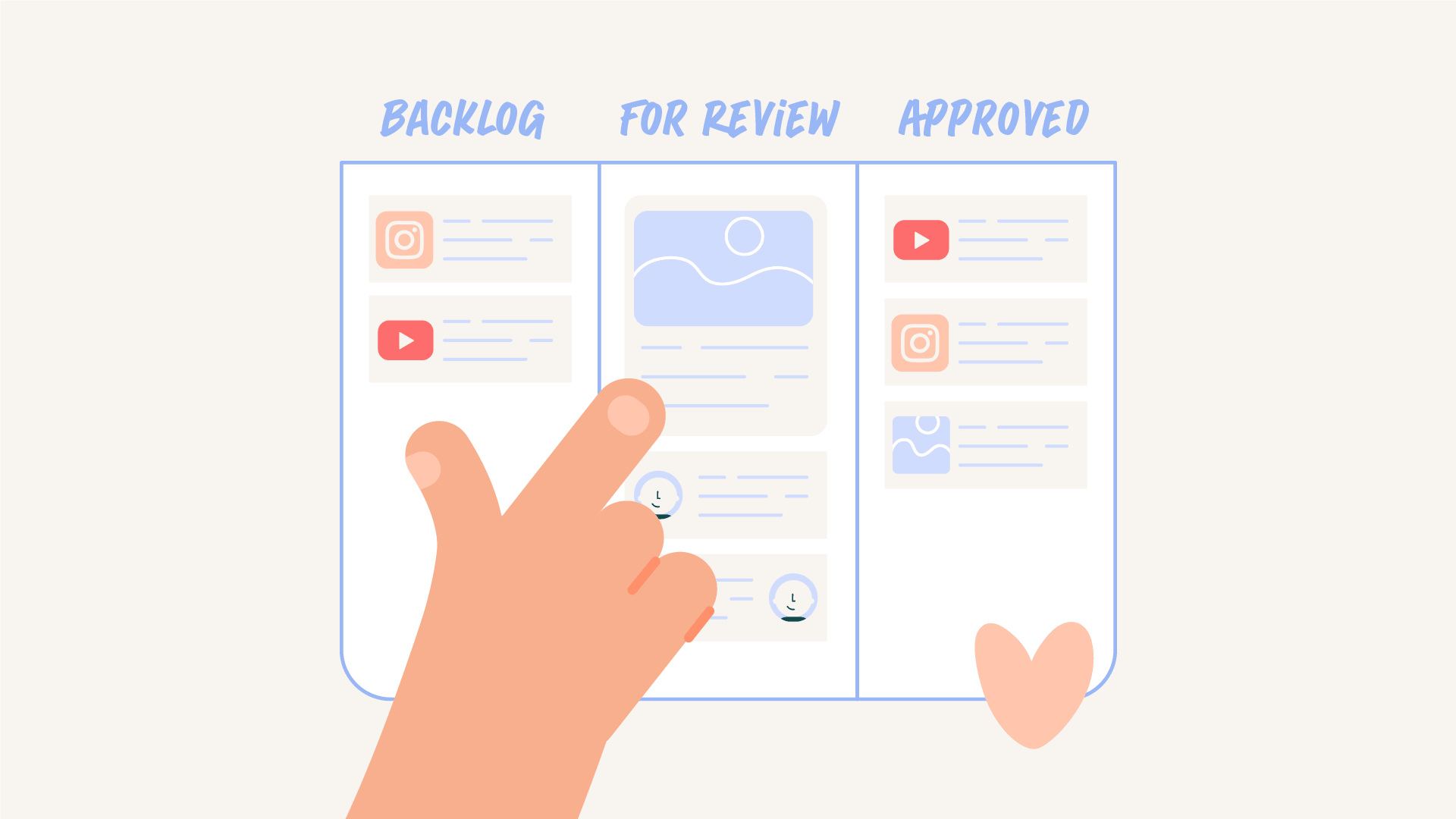
I try to show work early and often. Small check ins every 24–48 hours prevent massive revision spirals later because clients are reacting to the work as it develops instead of seeing everything for the first time at the end.
That communication loop saves an incredible amount of time on both sides.
One of the biggest advantages of staying in the industry for a long time is range.
Over the years, I’ve worked across:
That range allows me to adapt quickly to whatever problem a team is trying to solve.
And increasingly, that flexibility matters more than being hyper specialized in one niche tool.
At the highest level, clients are not just hiring someone to animate.
They’re hiring someone who makes the process feel easier.
Someone who thinks ahead, catches problems early, communicates clearly, understands production realities, and improves systems over time.
That’s the difference between a freelancer who executes tasks and a creative partner teams want to keep around long term.
They make teams faster. They make workflows smoother.
And they make the creative process feel less overwhelming.
A high quality motion designer understands far more than animation itself. Strong communication, technical delivery knowledge, production awareness, and the ability to improve workflows all make a designer more valuable to teams.
Beyond portfolio quality, clients should look for someone who understands pipelines, can communicate clearly, adapts to different workflows, and can guide projects without needing constant direction.
Different teams work differently. Product teams, web developers, VFX artists, and social teams all have unique requirements. A motion designer with pipeline experience can integrate smoothly without slowing production down.
Yes. Understanding codecs, framerates, export requirements, file sizes, and delivery formats prevents production issues and helps projects move more efficiently.
The best motion designers reduce cognitive load for teams. They think ahead, solve production problems early, communicate consistently, and improve systems over time instead of only executing tasks.

Motion Partner